
What Seven Days at Alligator River Taught Me About Black Bears, Barred Owls, and Red Wolves
Why Alligator River National Wildlife Refuge?
Wildlife photography had barely entered my life when we returned home from Grand Teton National Park last fall. I was eager for my next adventure, and before long I started hearing rumors about a place in eastern North Carolina where black bears seemed to be everywhere: Alligator River National Wildlife Refuge.
At the time, I didn't really know what a national wildlife refuge was, or if what I heard was actually true. I was curious, though. I heard the rumors in October and by November I had booked a seven-day trip for May of 2026.
The best part about it was that I went with zero expectations. Wildlife photography has made me curious in the best of ways. I try to head into the field with a willingness to learn something every time I go. To take more away from the experience than just the photographs.
I spent a great deal of time researching black bears before the trip. And there were plenty of those from the moment we arrived!
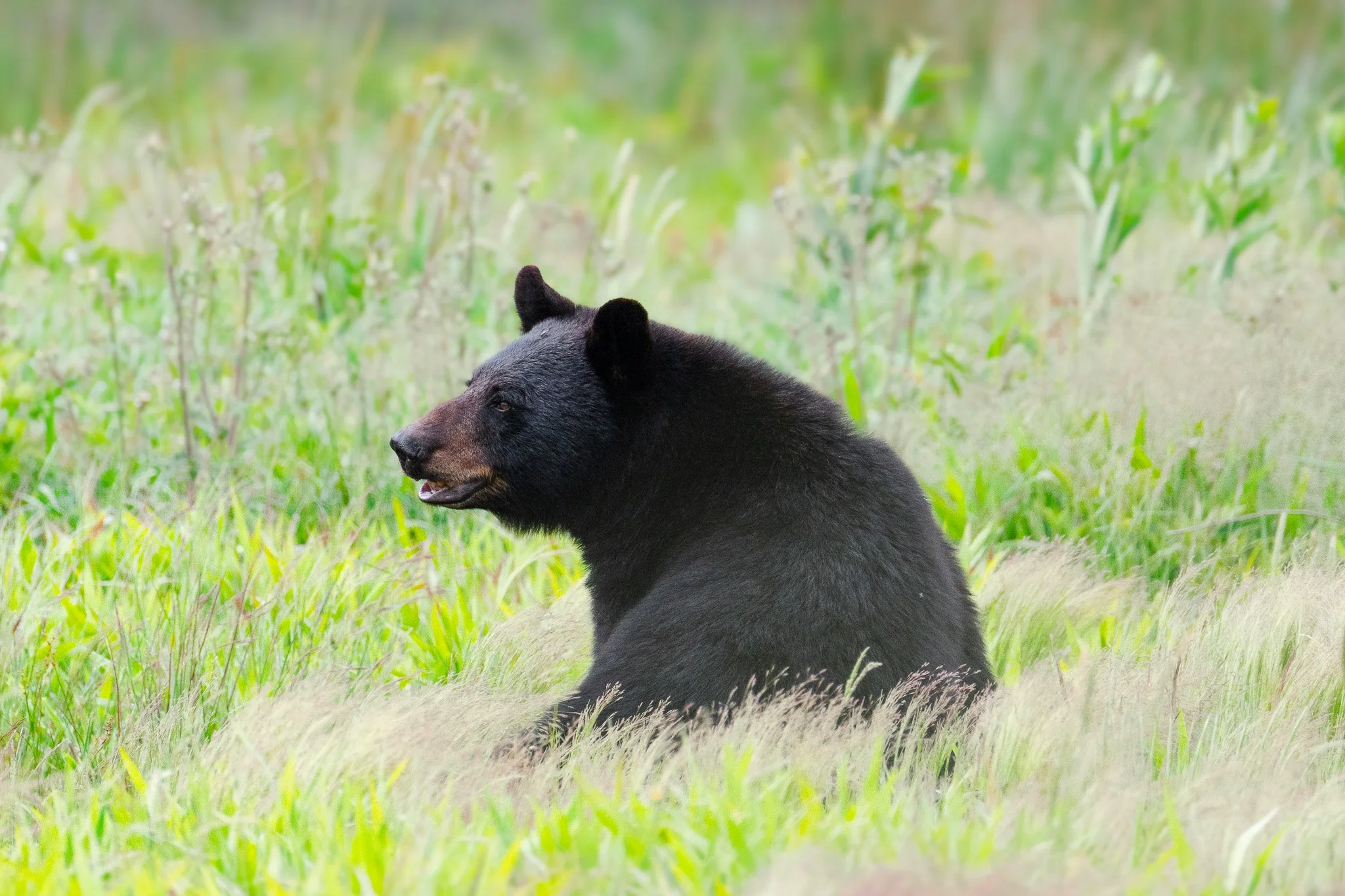
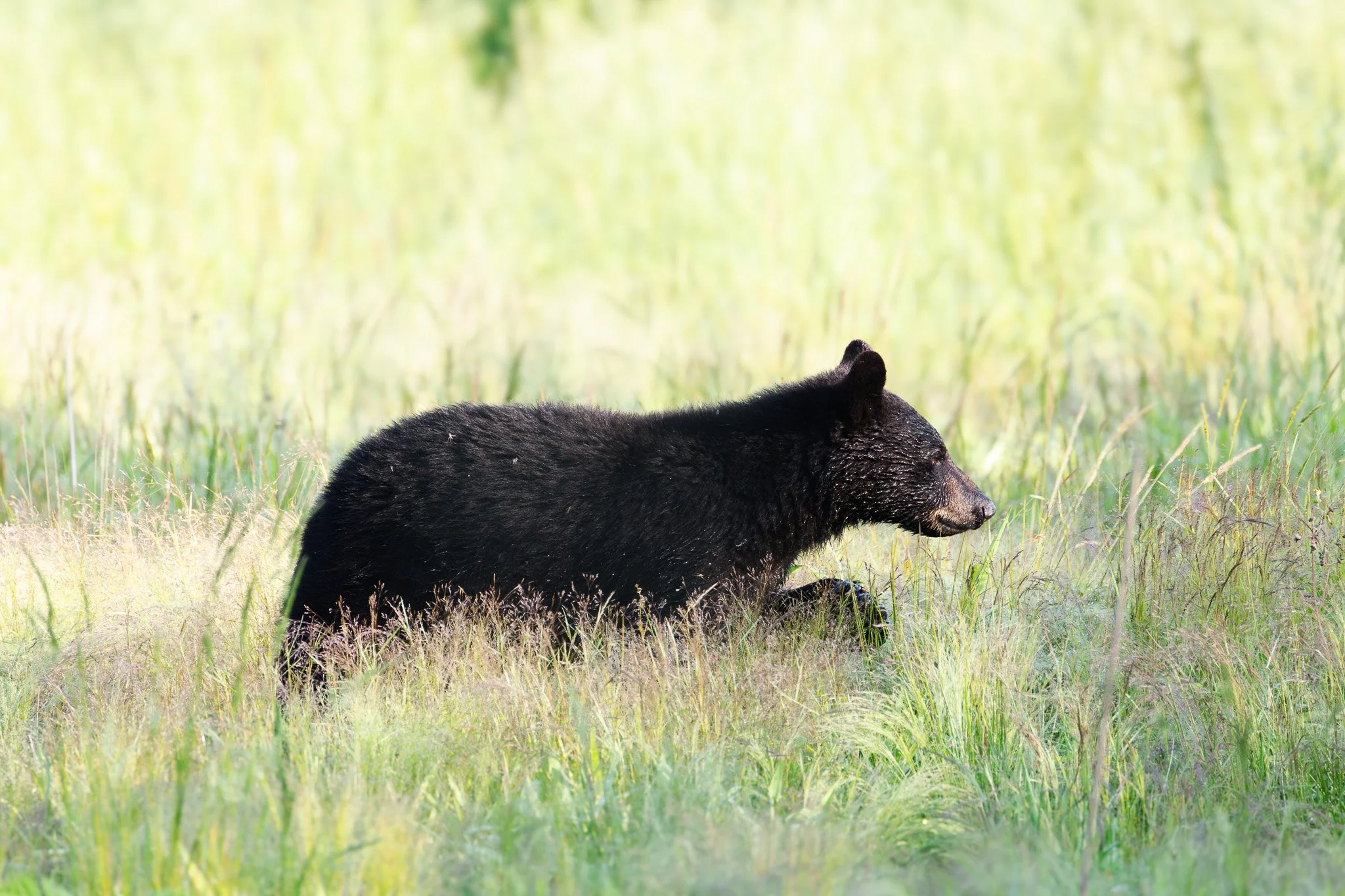
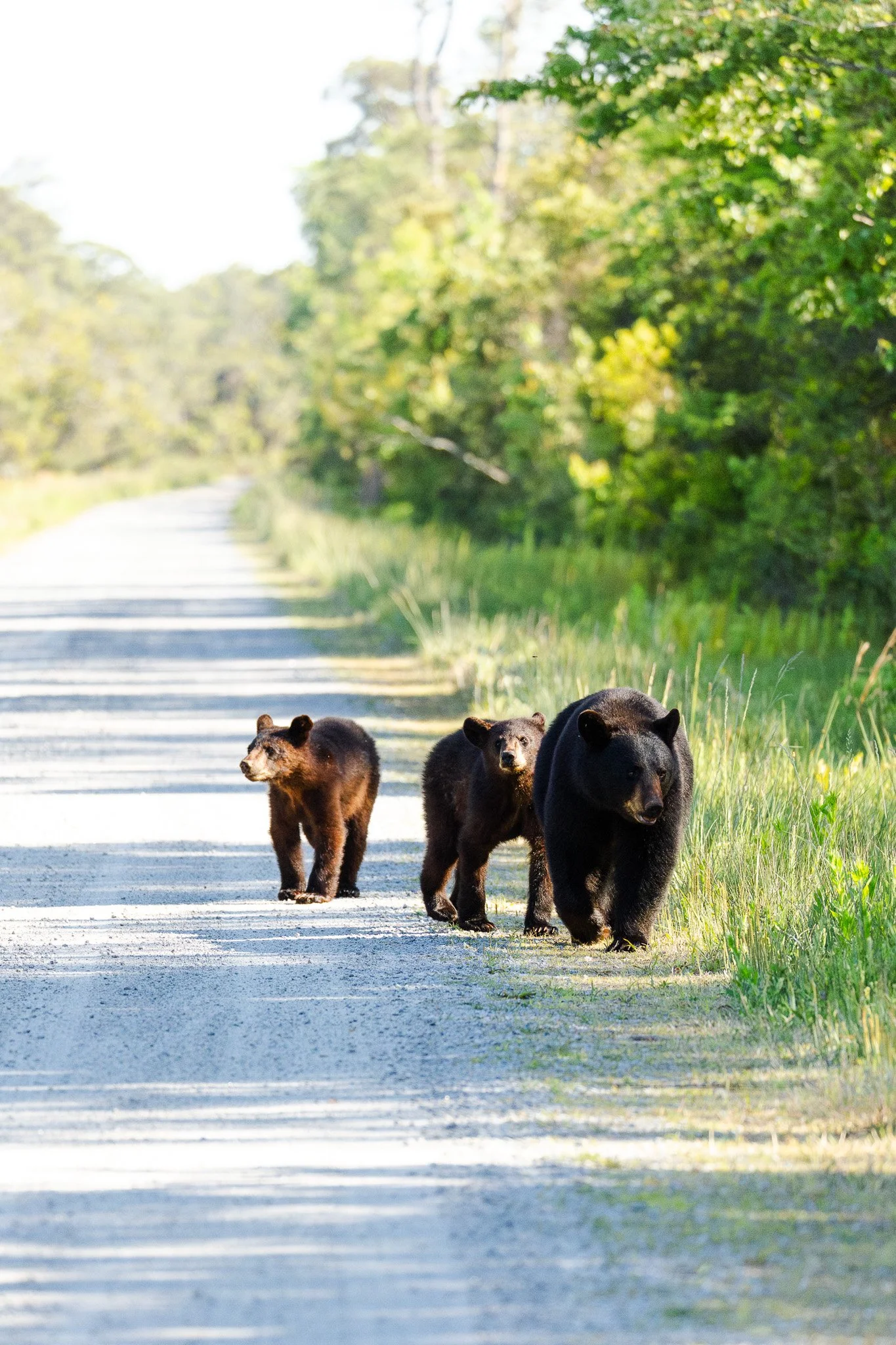
A black bear sow, mother to three yearling cubs, takes a moment of rest as they forage nearby.
The Poster Child: American Black Bear
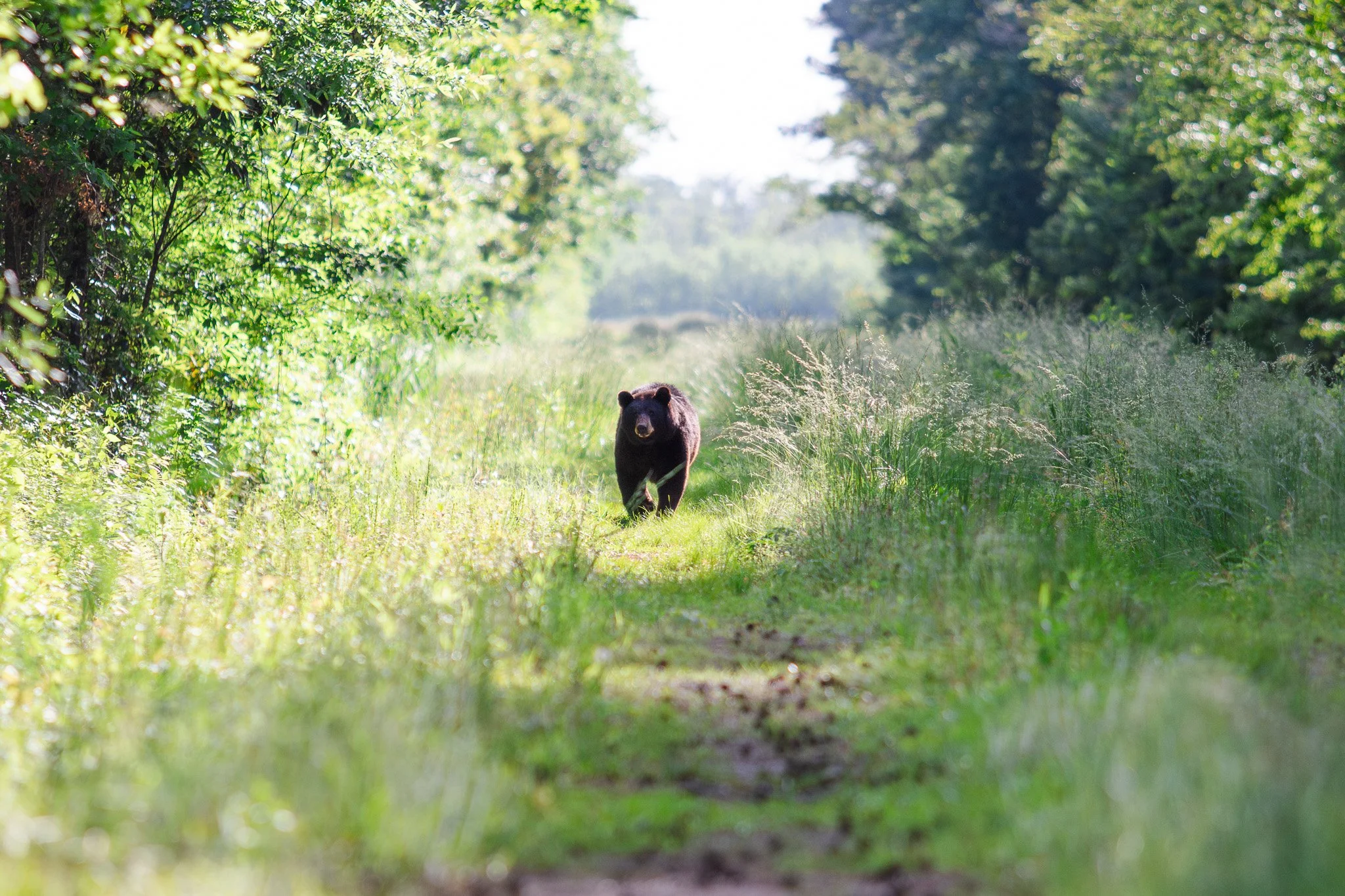
I'll let you in on a little secret. There isn't a place on Alligator River National Wildlife Refuge where you'd have to look very hard for a black bear.
They're EVERYWHERE.
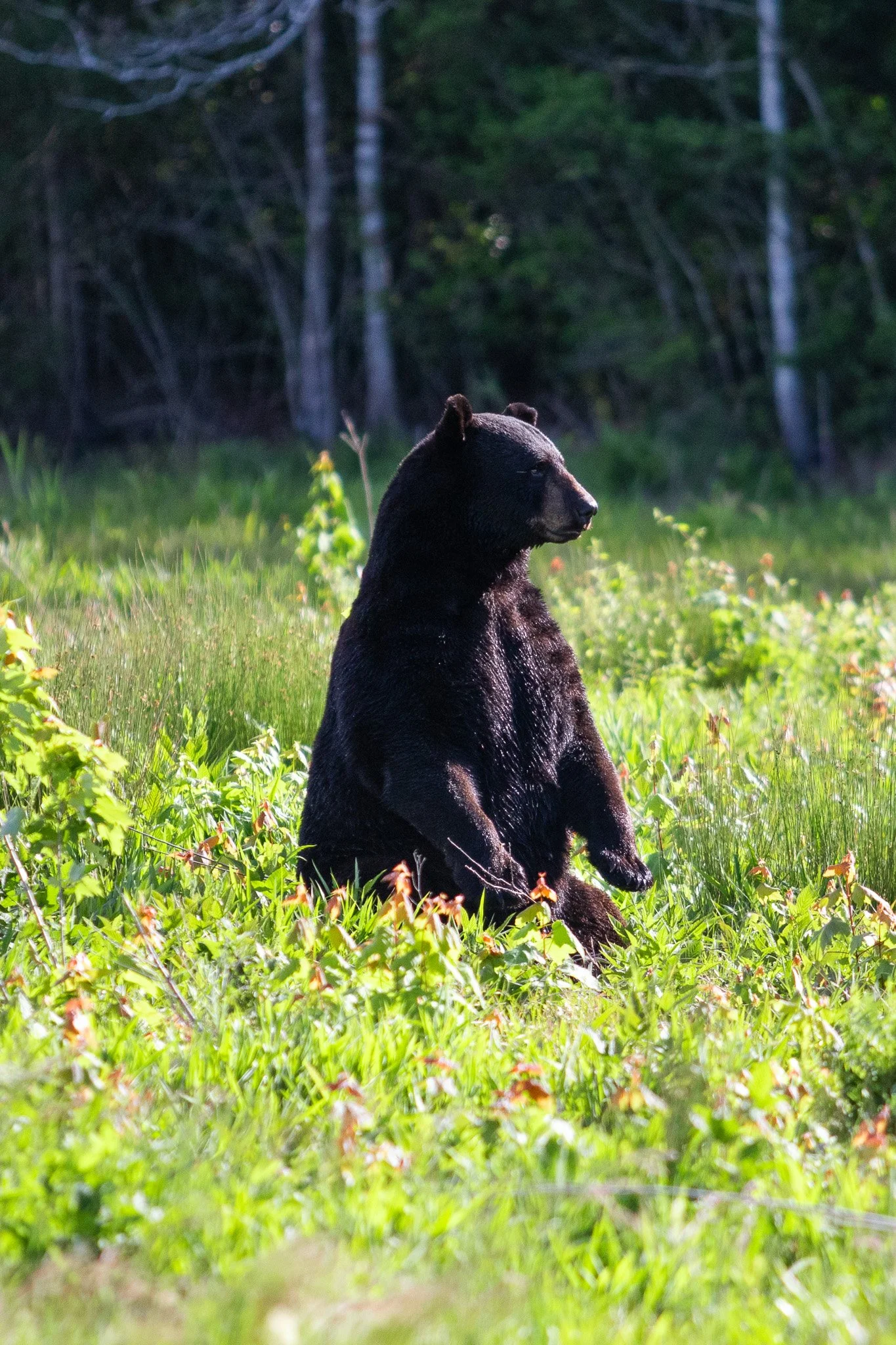
Before this trip, a black bear was just... a black bear. Here in Pennsylvania you’re more likely to see one on trail cam at night than ever seeing on during the day. By the end of our week in North Carolina I found myself noticing differences in their behavior, where they liked to feed, how they used the canals, and even how each one seemed to have its own personality.
That’s exactly what I’d hoped this trip would be. Sure, I wanted great photographs, but more than anything I wanted to understand black bears a little better.
I think that's probably one of the most unexpected skill sets you develop as a wildlife photographer. You begin learning animal behavior.
The more time I spend in the field, the more I find myself becoming a naturalist because of it. I've become genuinely curious about the habitats these animals depend on, the food they forage on, and signs I never would’ve noticed before I picked up a camera.
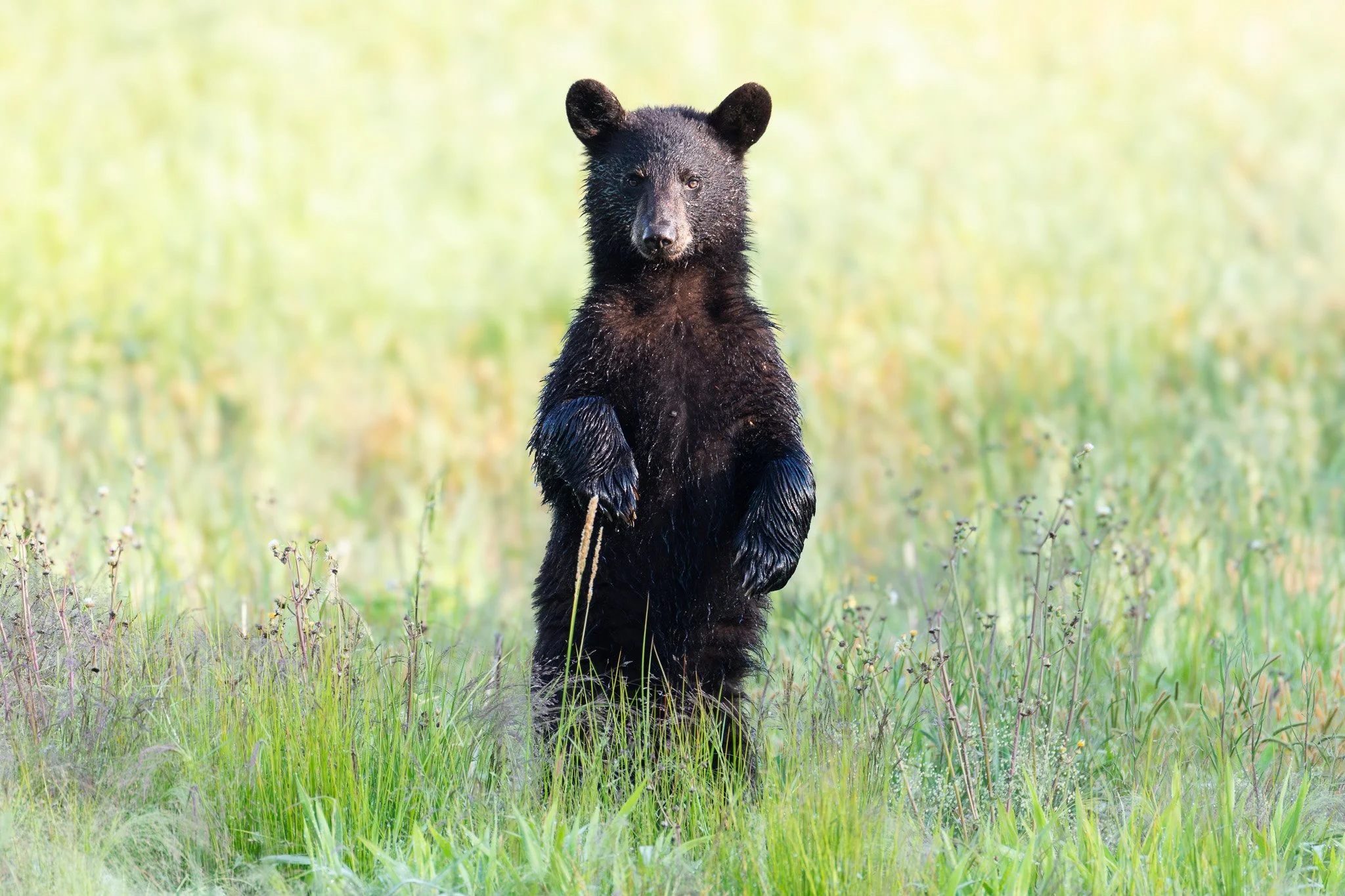
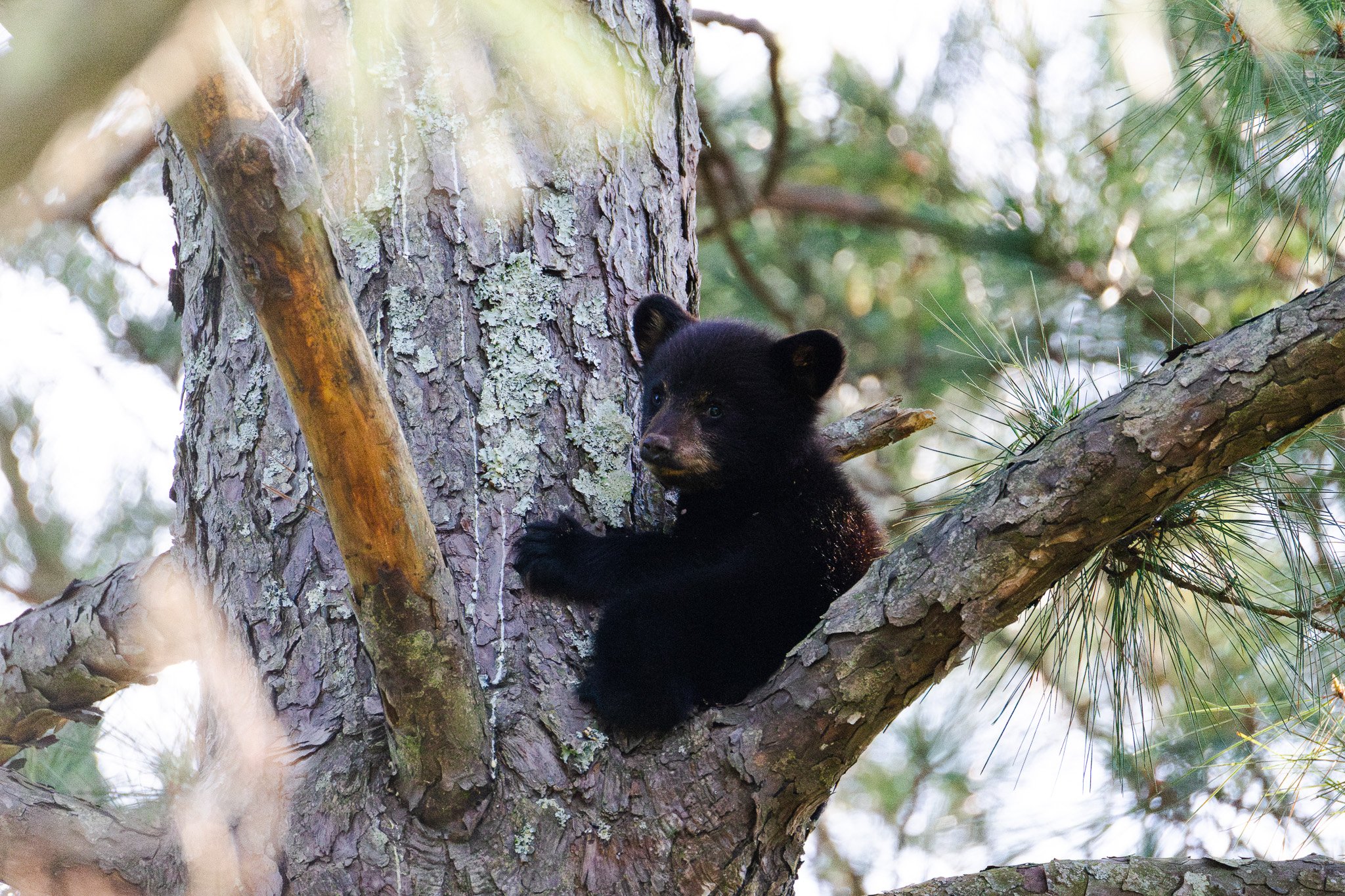
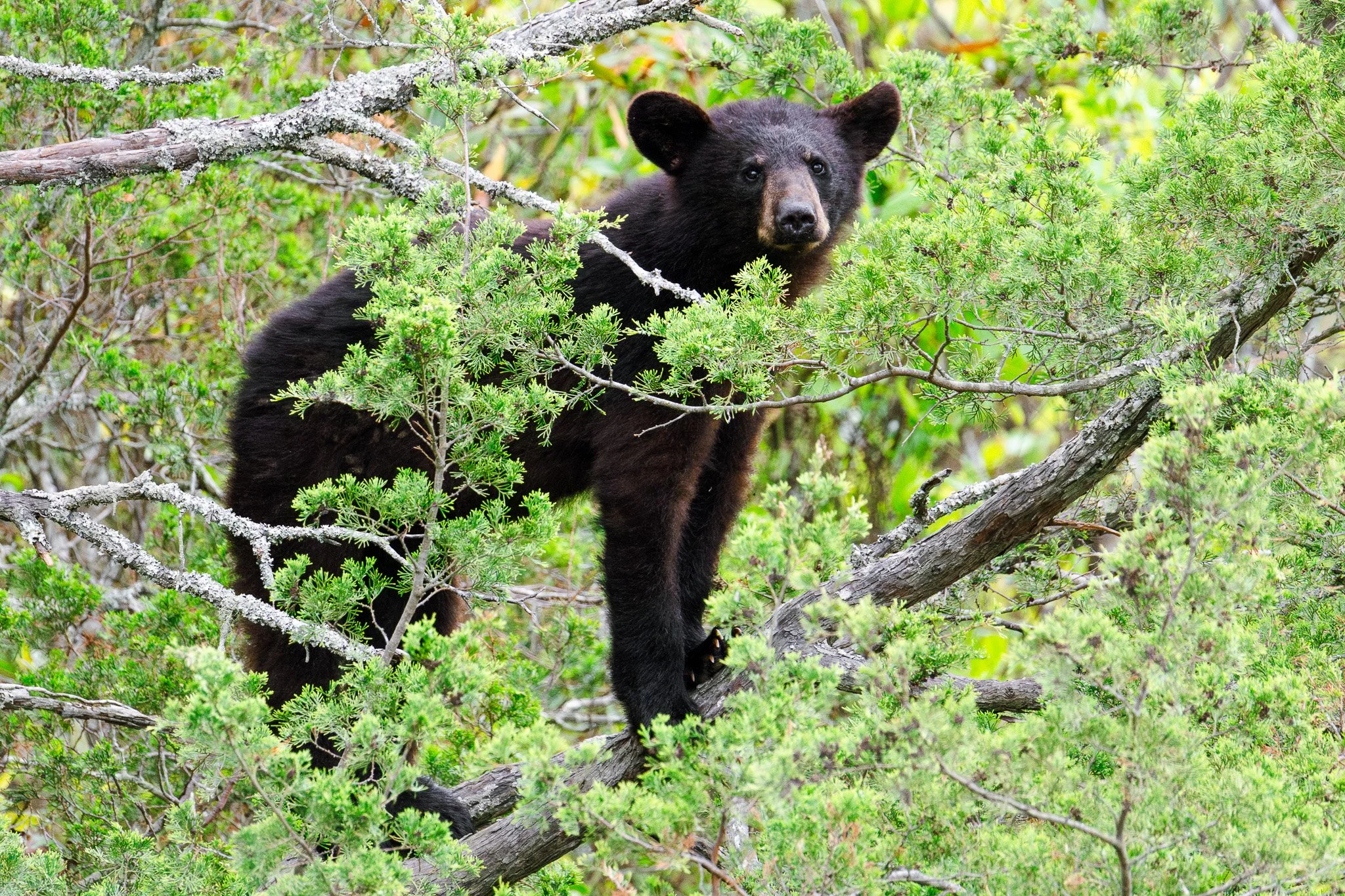
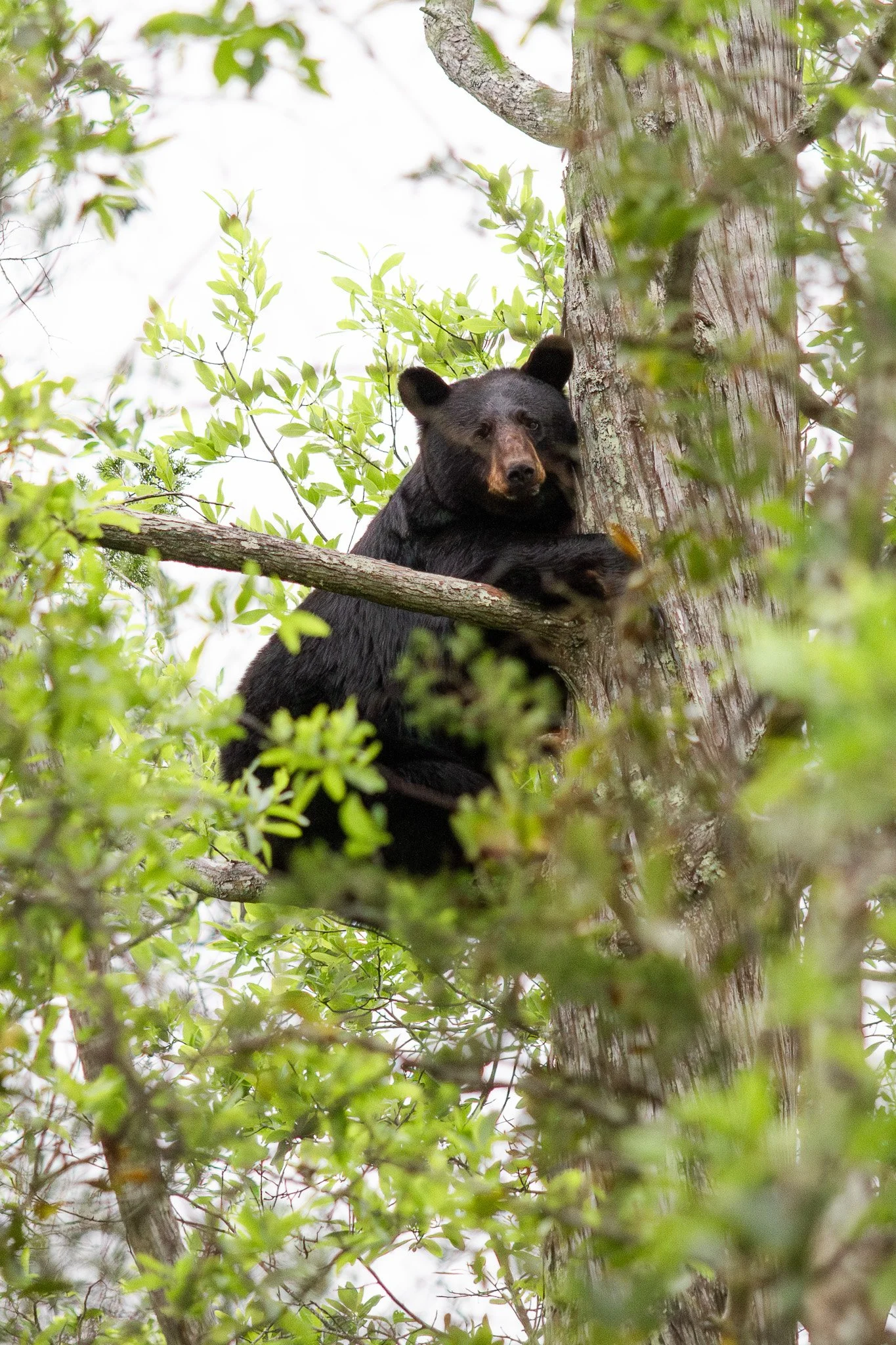
A yearling cub scans for a better look, locking eyes with me first.
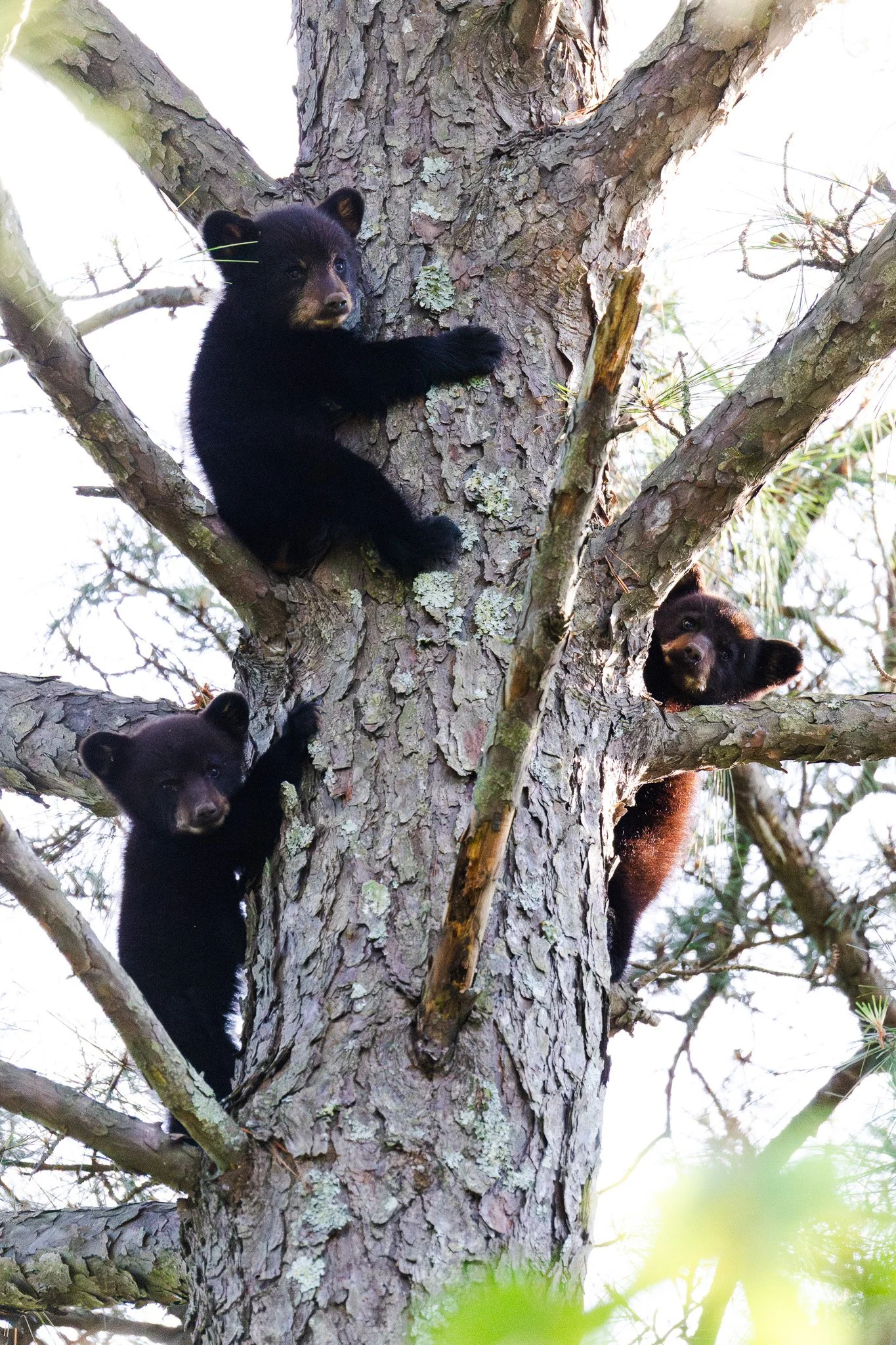
There were plenty of cubs to go around, and sightings of them were plentiful during the first part of May. I personally love visiting places like this during the shoulder seasons. The wildlife has experienced far less pressure from tourism, and much of the day is spent grazing, foraging, or resting. For the mothers, though, it's a busy time of year as they protect their cubs from boars looking to breed.
And here's a fun fact I didn't know until I started learning more about black bears. Adult boars will sometimes kill cubs in order to bring a female back into heat. We didn’t witnesse that during our trip, but it certainly gave me a new appreciation for just how protective mother bears can be. While these animals are incredibly adorable, they're also wild, and mothers will not hesitate to defend their cubs if they believe they're threatened. I try to recognize when it's time to step back and let them be, especially when cubs of the year are involved.
The great news is that there’s a reason to pressure a wild animal for a photograph. If there's one thing this trip reinforced, it's that patience always wins. As you'll see throughout these photos, there were more opportunities than I could have ever asked for, all while giving the bears the space they deserved.
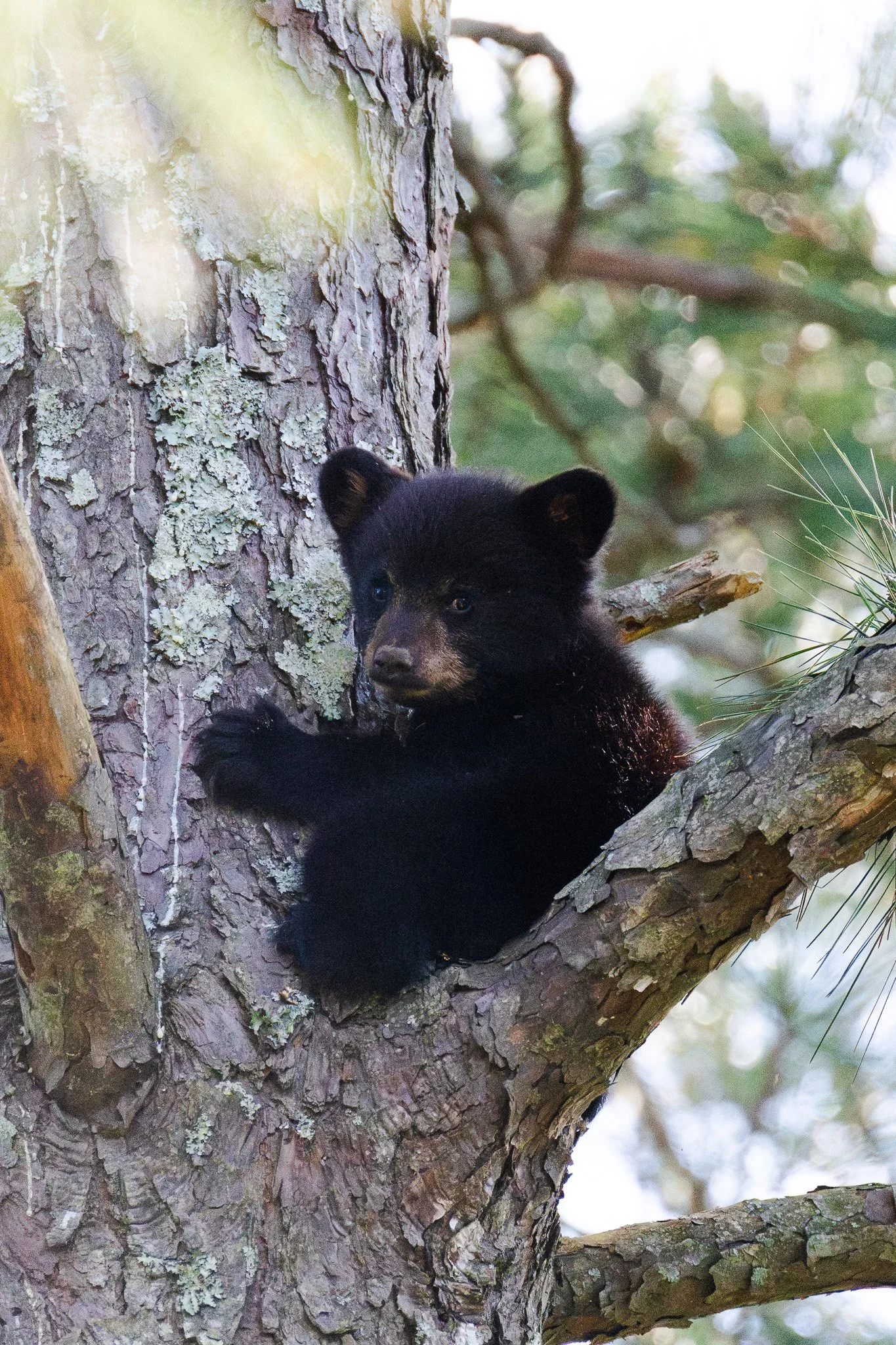
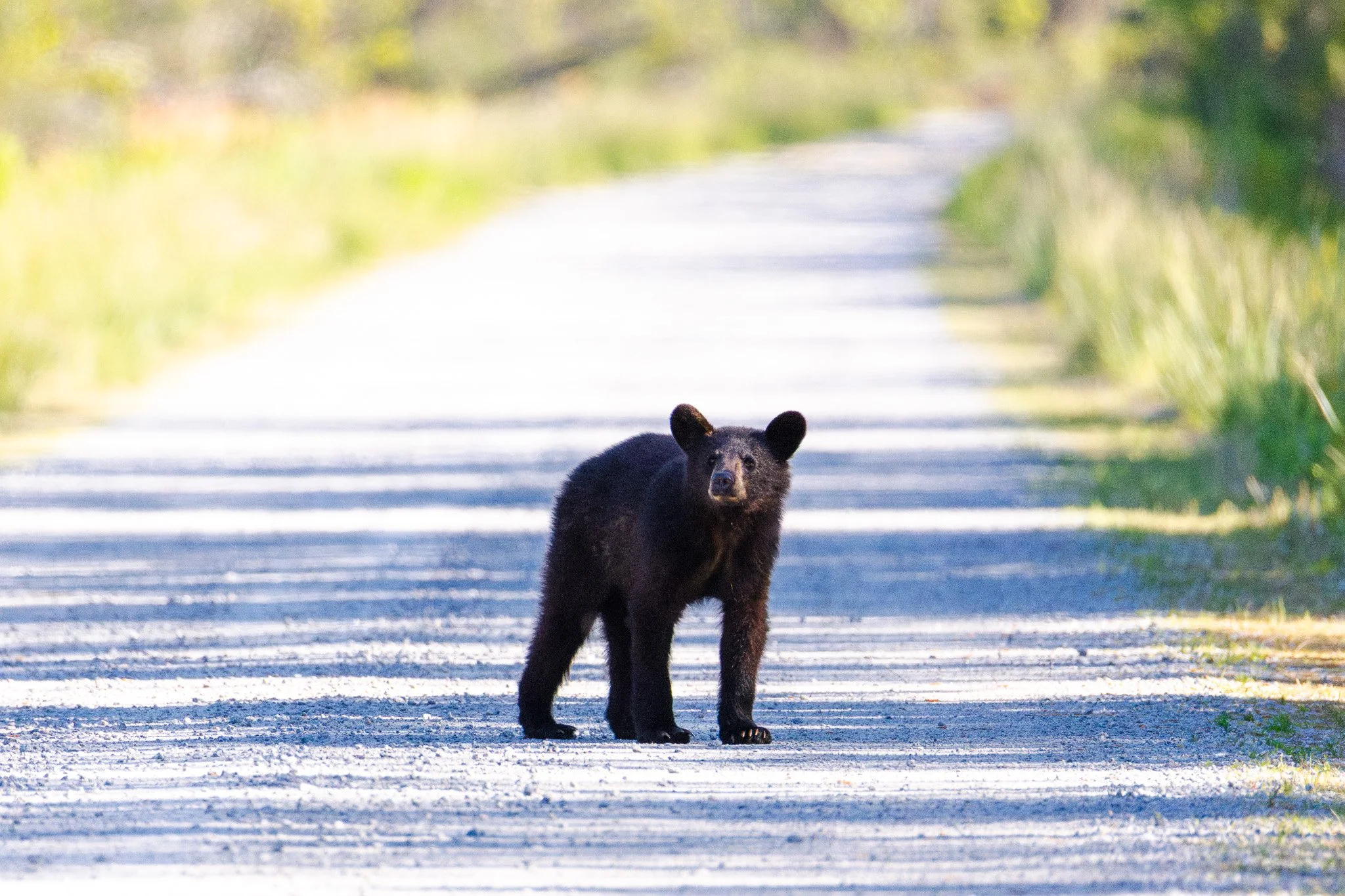
Some advice? Don't let the weather ruin your plans.
It would've been easy to hide away in our room on the rainy days, but I'm always glad I headed back out with my camera. Just make sure you have a way to protect your gear! I made the mistake of not bringing a rain cover, but thankfully one of the photographers we met was kind enough to give me one of hers.
Honestly, I think you'll be surprised by the people you meet at the refuge. Despite the occasional bad apple, almost everyone we crossed paths with was incredibly kind. They shared recommendations, offered help when it was needed, and best of all, we got to experience some unforgettable wildlife encounters alongside people who love nature just as much as we do.
One thing to keep in mind is that there are posted areas throughout the refuge where you cannot stop, stand, or get out of your vehicle. As tempting as it might be when you spot something incredible, those rules are there for a reason. The wildlife comes first, and sometimes that means continuing down the road and hoping the next opportunity is just around the corner.
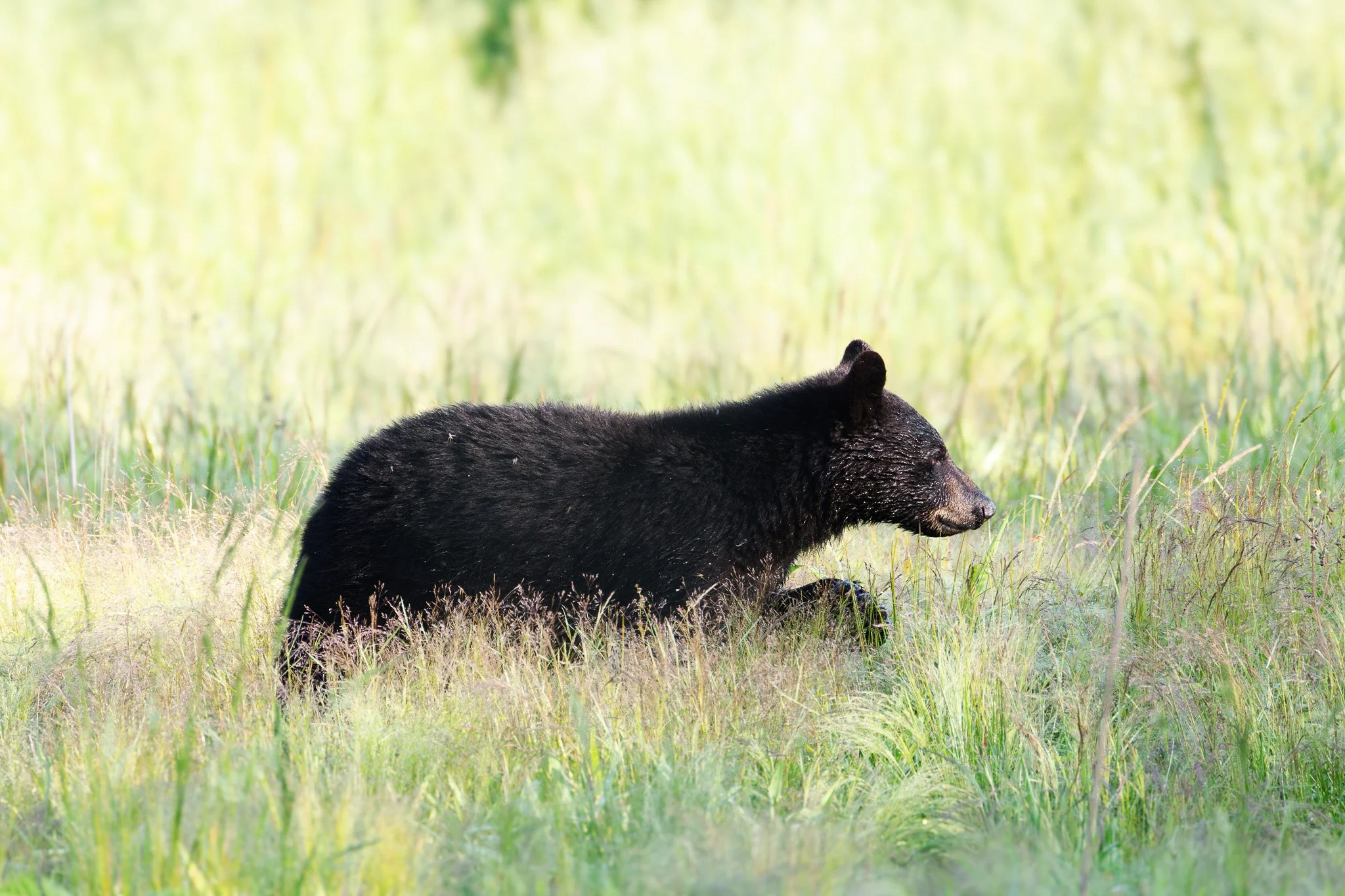
One of my favorite encounters happened in the pouring rain as a black bear quietly fed among a bed of irises. I may be a bit biased about the flowers, but, my only regret is that I didn’t manage to get them in the frame. I guess that's just one more reason to go back during this time of year!
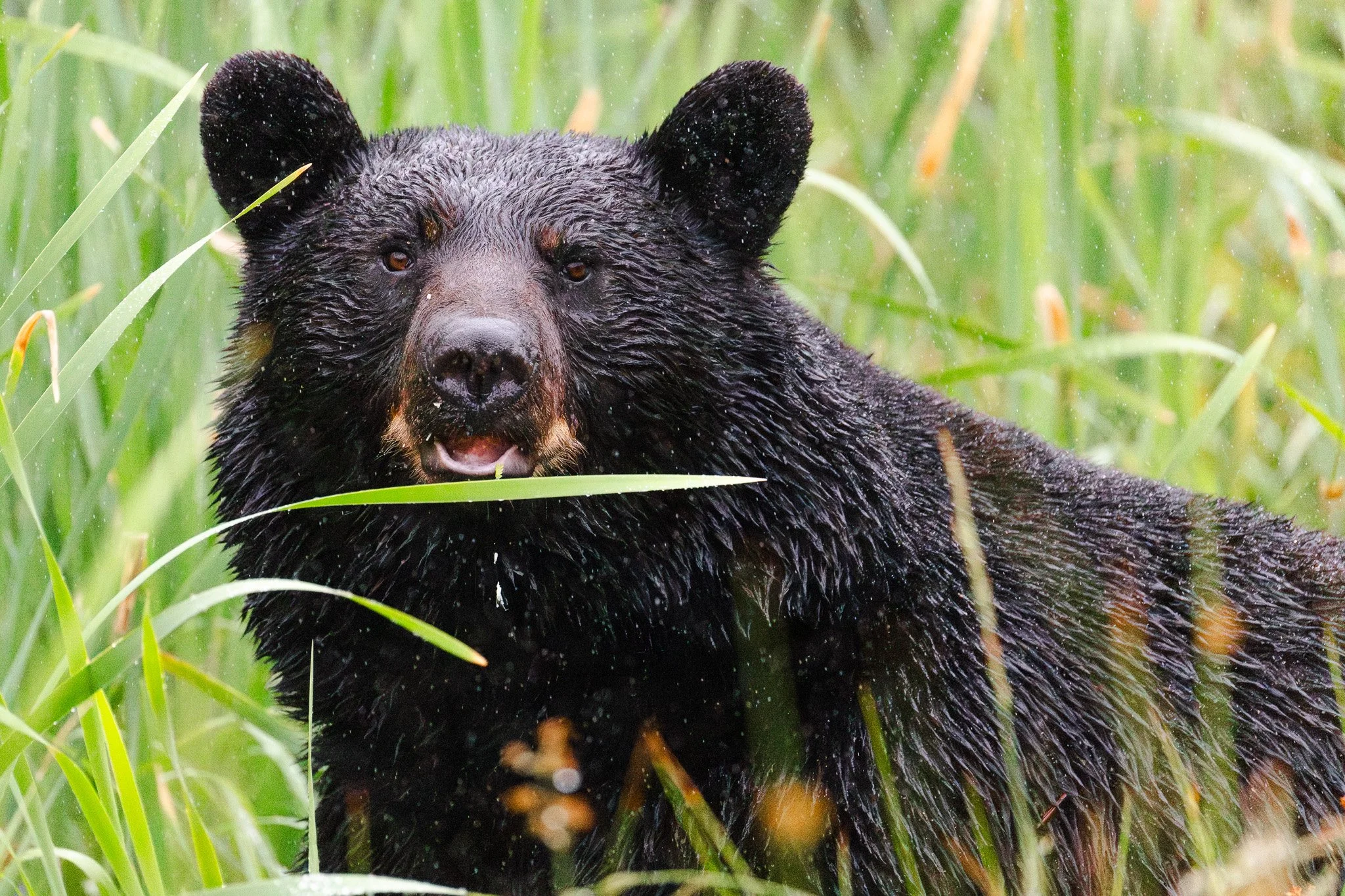
A black bear enjoying an evening snack in a torrential downpour.
When I originally booked this seven-day trip, I wasn't sure how many black bears we'd actually see. I honestly thought I'd come home with a short list. Maybe a few decent photos here and there if I was lucky.
It turned out we probably could've stayed for three to five days, or even just one really good day, and still had more bear encounters than I ever imagined. I guess it all depends on what your goals are.
For me, portfolio images were certainly one of those goals. I came home with a better understanding of black bear behavior, more confidence in my camera gear, and, most importantly, a newfound appreciation for wildlife refuges and the role they play in protecting these incredible animals.
Of course, the bears weren't the only reason this refuge became so memorable.
There were many more species waiting to be discovered.
The Shining Star: The Red Wolf
What I didn't fully comprehend was that the refuge was also home to one of the rarest mammals in not only North Carolina, but the entire world.
The critically endangered red wolf.
Truthfully, I wasn’t expecting to see one. I was just excited to be on a vacation with my camera in tow. But the thought of crossing paths with one of only about 30 wild red wolves was hard to ignore.
With only two full days left of our trip, we heard that one had been spotted a few roads over. We didn't hesitate. Hoping for a glimpse, we made our way over and found a handful of photographers waiting with their tripods. The wolf was at least 200 yards away, and everyone hoped it would eventually wander a little closer before the light faded.
After standing there for a few minutes, I suggested we move on. We wished everyone luck and continued exploring the refuge. Many of the photographers there had been visiting the refuge for years without ever seeing a red wolf, so I completely understood why they stayed. Their excitement was well deserved. For me, though, our primary goal for the trip was building my black bear portfolio, so I was content to let the evening unfold however it would.
Not long afterward, we spotted a large boar crossing one of the canals. I was hoping for photographs of him swimming, but he had other plans. We waited at a respectful distance as the evening light slowly disappeared, and before long a temporary maintenance volunteer stopped to chat with us.
Looking back, I'm grateful the bear never cooperated.
We spent the next fifteen minutes talking about the recovery program, the challenges these wolves face, and what it takes to protect one of the rarest mammals in North America. We even picked up a few tips on where they occasionally travel.
If you're new to wildlife photography, that's something worth remembering: locations are earned, never expected.
Appreciate the people willing to share the knowledge they've spent years acquiring. That information is invaluable.
As our conversation continued, I glanced across the canal toward the open fields where the other photographers had been waiting. Something was moving behind a patch of brush.
"Look," I said. "I think there's a bear."
Brett, my husband, immediately corrected me.
"That's not a bear," he said. "That's a wolf."
I fumbled for my camera as she jogged along the edge of the canal, stopping every few seconds to look in our direction. The light was fading fast, and I knew the images weren't going to be perfect, but I didn't care. I fired off as many frames as I could while also grabbing a bit of video, simply grateful to witness the moment.
Since this trip took place in May of 2026, it's a bit difficult for me to remember every detail, but I know we encountered the former matriarch of the Milltail Pack, 2225F, three times in total. That third encounter is the one I'll never forget.
It was an overcast morning, my favorite kind of weather to photograph in. The soft light meant we could stay out well into the day instead of retreating from the harsh midday sun. By late morning we were ready to head back to our room, but decided to take the long way out of the refuge, passing the same field where we'd seen 2225F the evening before.
As we rolled alongside the canal, we stopped for no particular reason. Looking across the field, there she was.
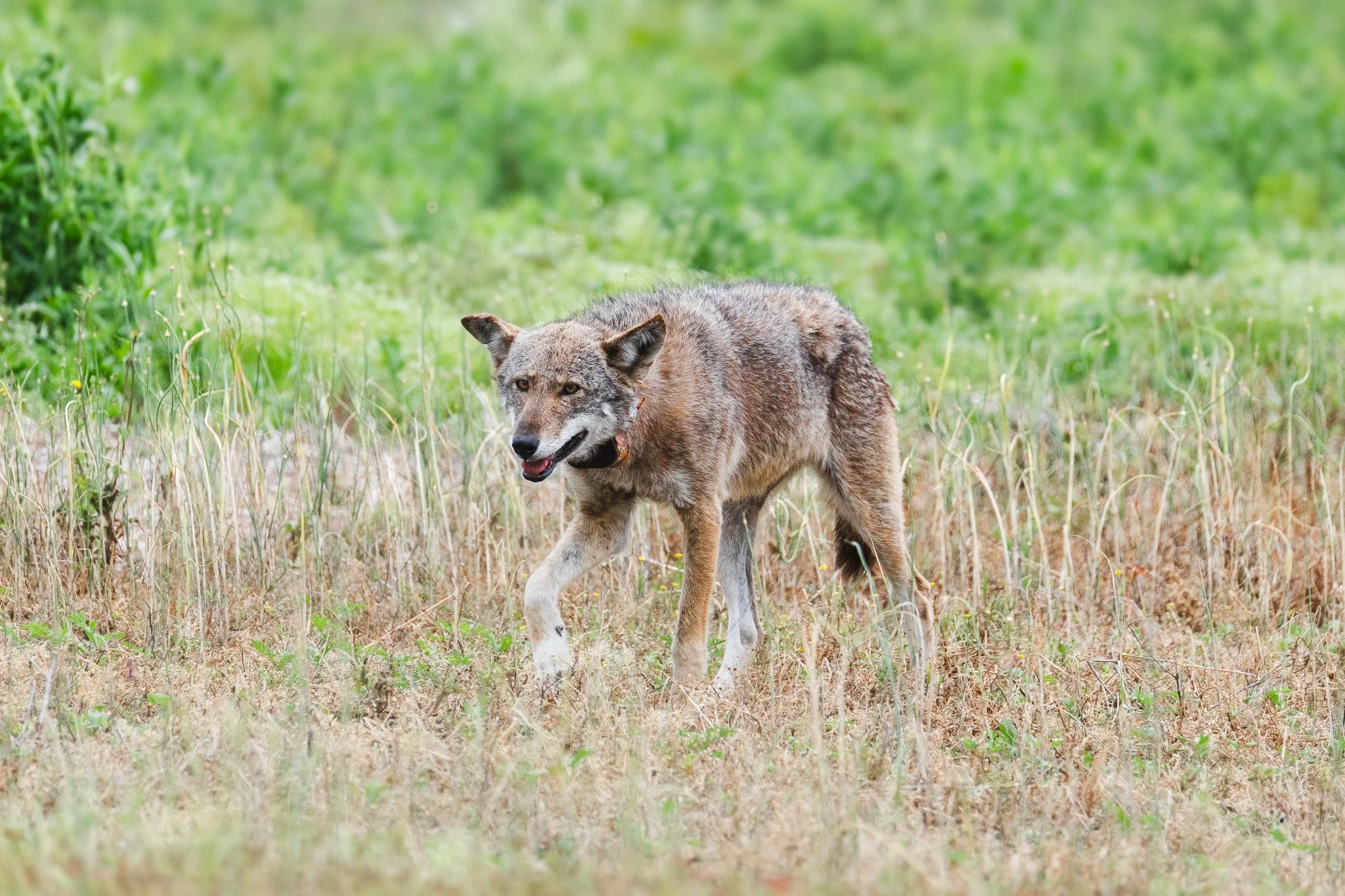
The vibrant spring greens surrounded 2225F as she calmly made her way toward the canal. The breeze lifted her coat as she walked, completely unbothered by our presence. Brett and I looked at each other in disbelief. We couldn't believe we were witnessing this in broad daylight.
After the poor light the evening before, I couldn’t believe our luck!
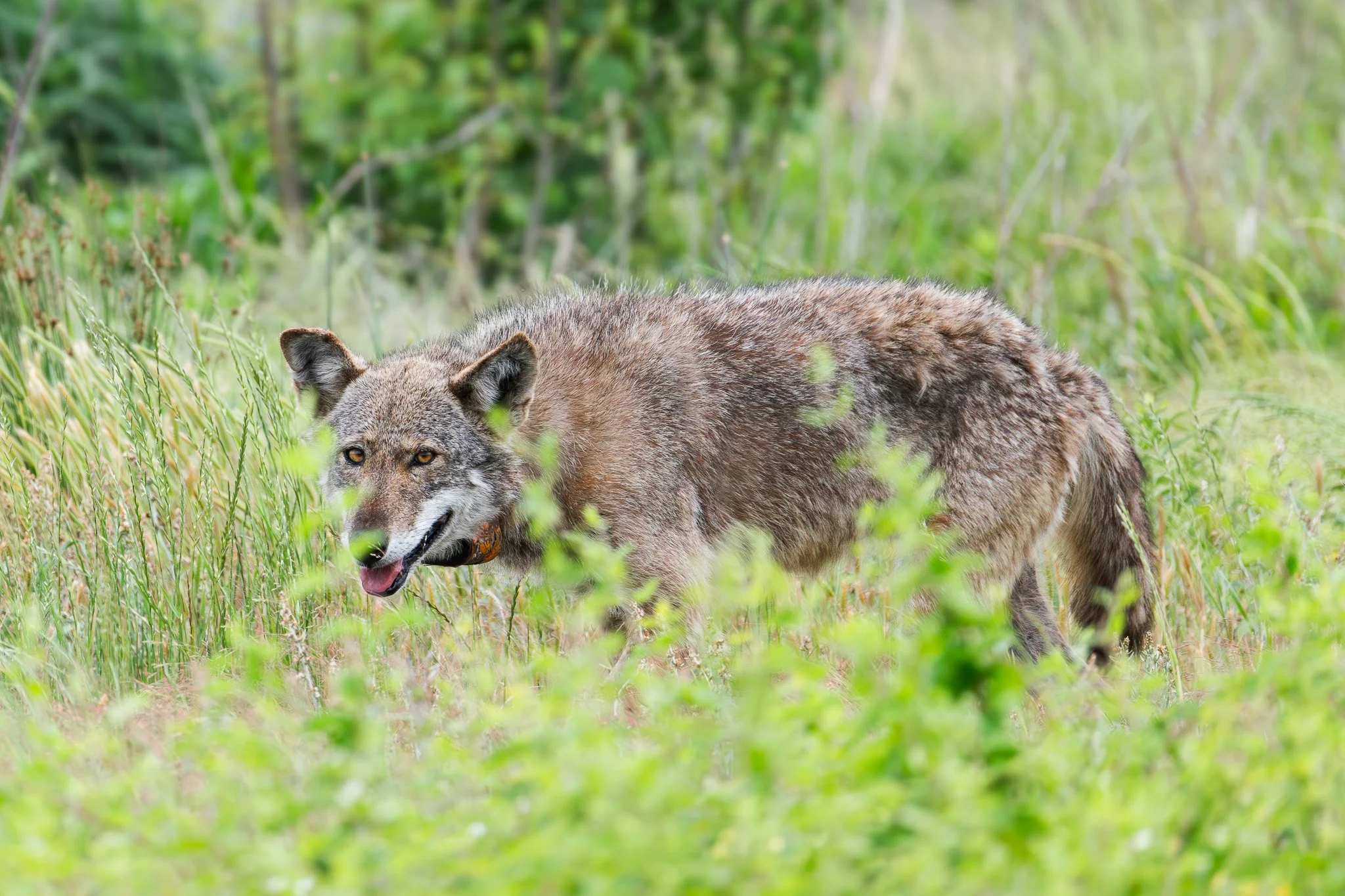
Red Wolf 2225F locks eyes with me.
As she slowly walked the canal's edge, she looked directly at me. By then, we understood more about her story and the incredible work behind the Red Wolf Recovery Program, making the moment even more meaningful. It's difficult to explain, but there are moments in wildlife photography when an animal allows you a brief glimpse into its world. For just a few seconds, there is a connection that goes far beyond a photograph.
Those encounters changed the way I think about endangered species, conservation, and even wildlife photography itself. The animals I've photographed aren't simply images stored on a hard drive.
That final encounter lasted barely a minute. I could’ve followed her farther, hoping for more photographs, but I chose to stay where I was and simply watch as she disappeared into the cover once again. Wildlife photography isn't always about getting one more shot.
Sometimes it's about knowing when you’ve been given enough.
So, we'd seen the black bears and we'd been fortunate enough to encounter the red wolves.
But there was another species I was especially excited about.
Back home in Pennsylvania, barred owls had proven to be one of the most challenging species for me to photograph.
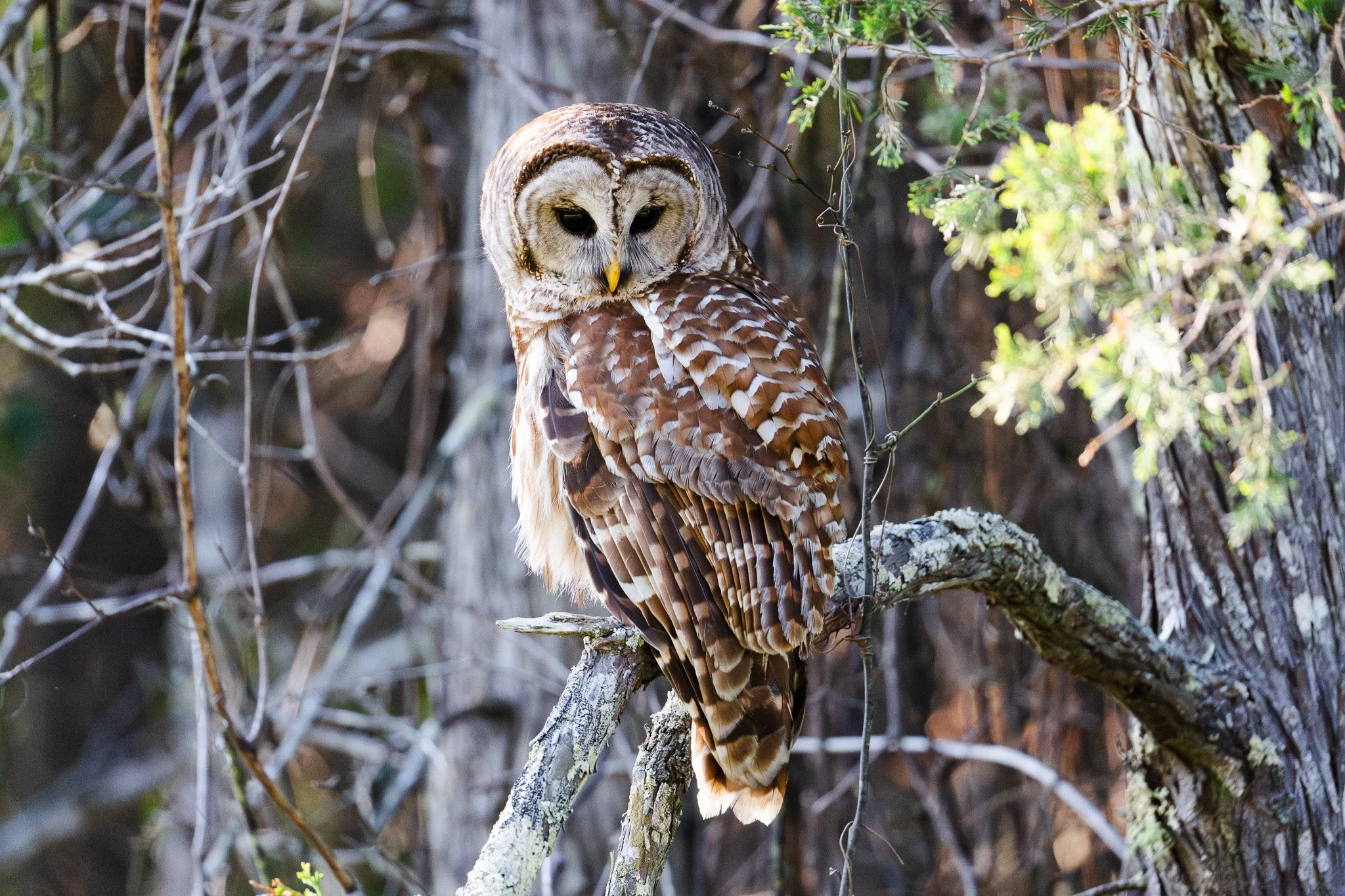
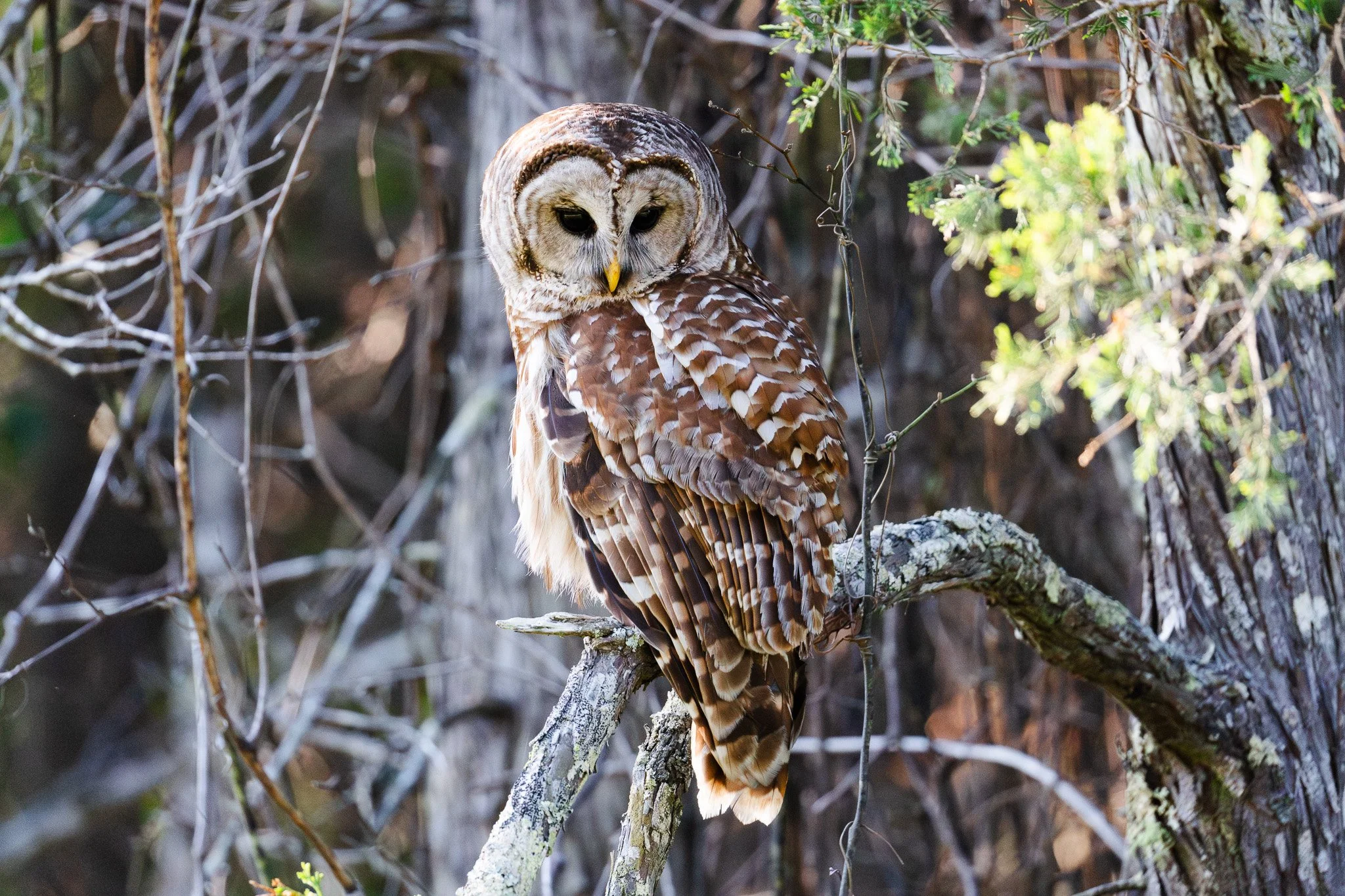
A barred owl scans the knee-high thistle for a butterfly snack.
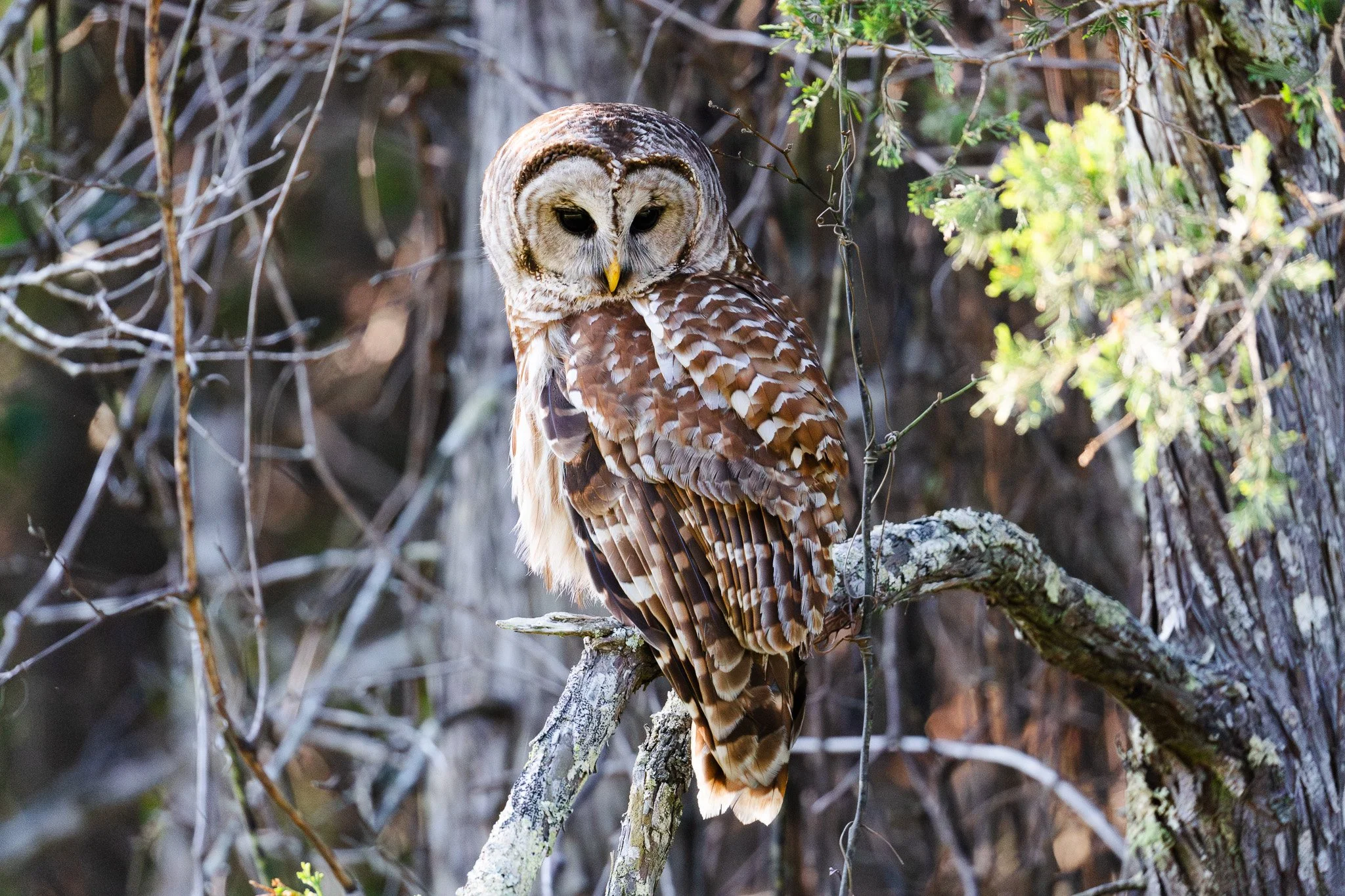
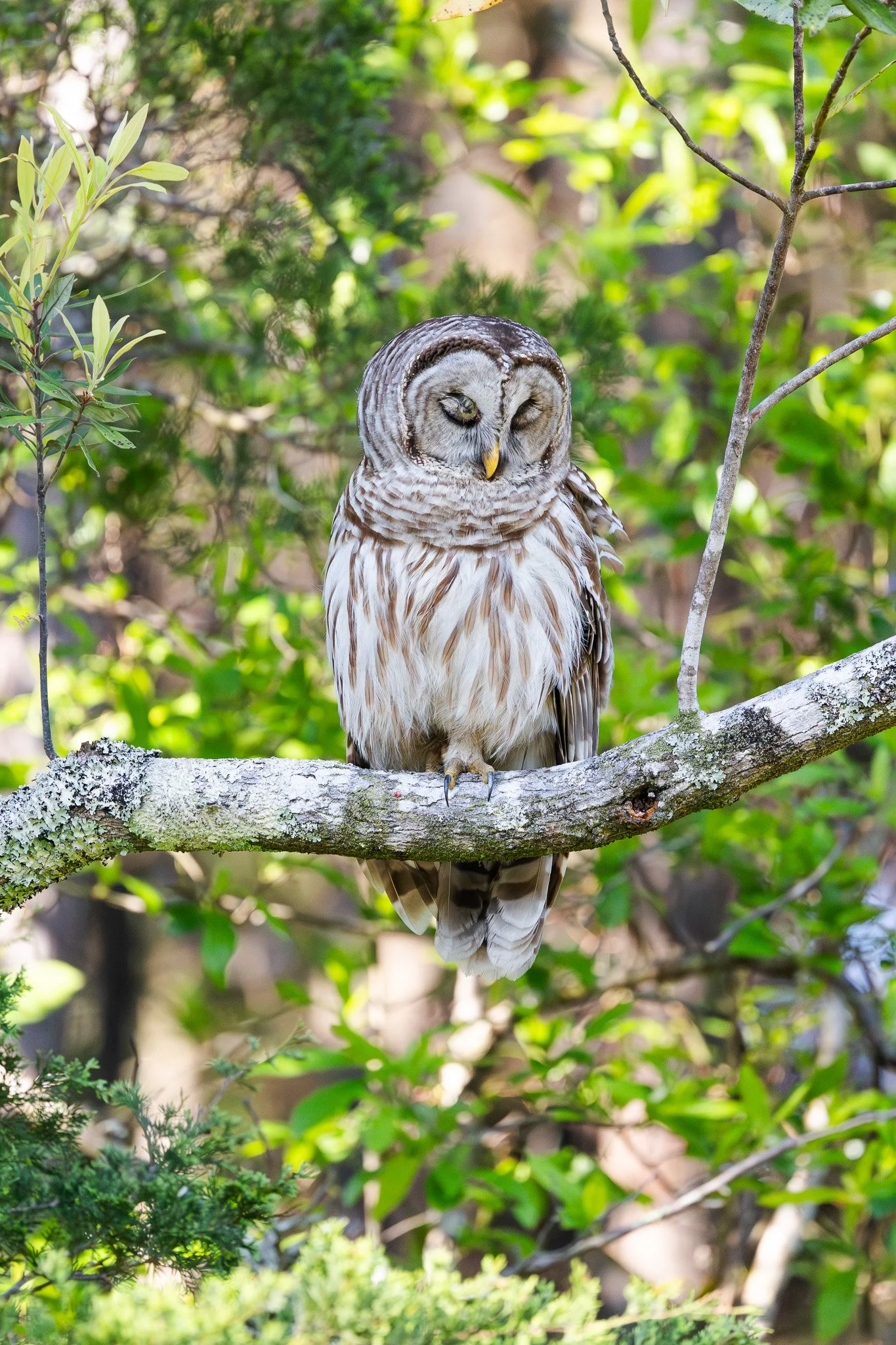
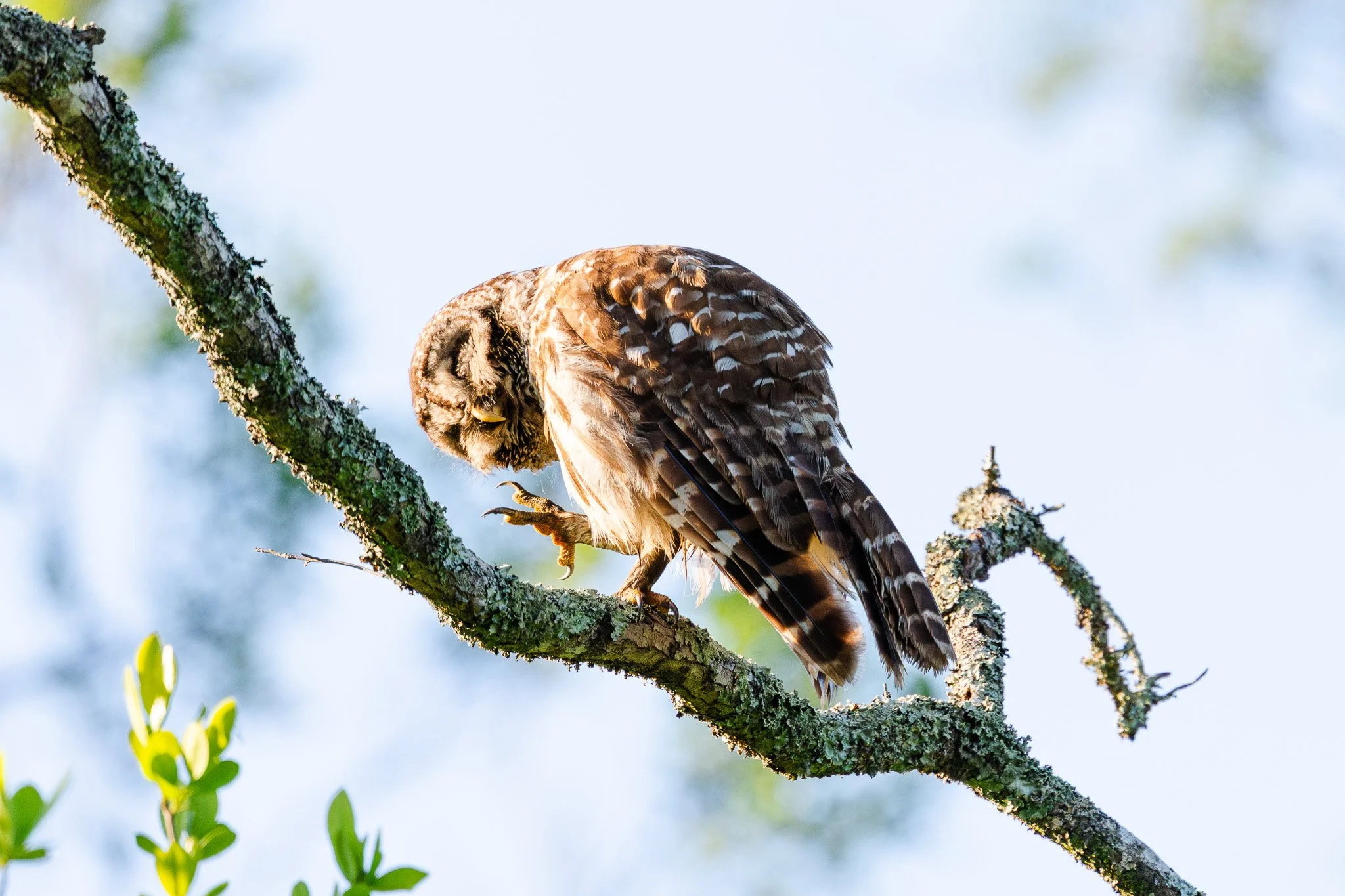
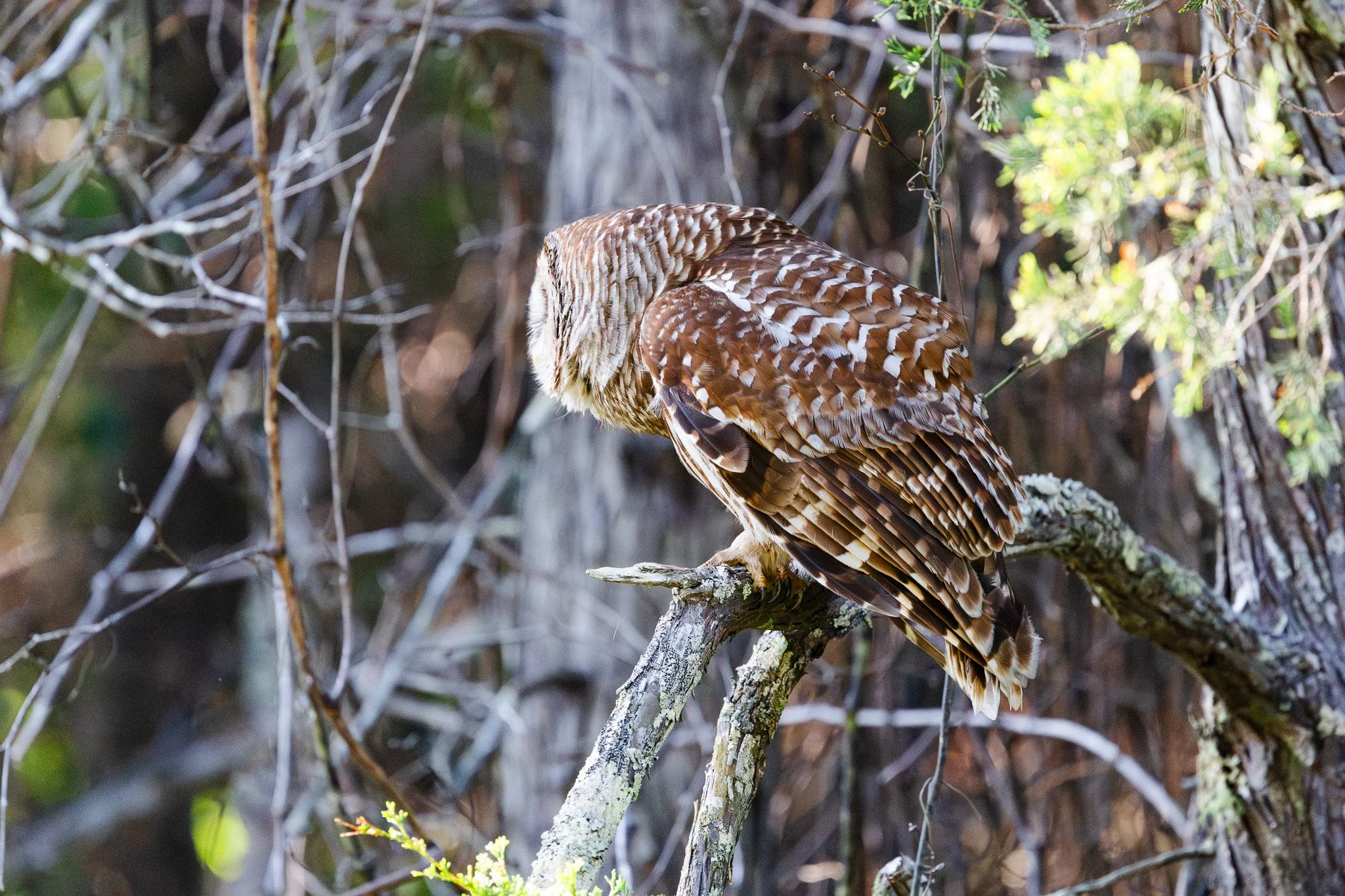
The Unsung Hero: Barred Owl
Little did I know, the place was crawling with them! I’ve spent a great deal of time photographing birds of prey here in Pennsylvania, but it took me several months to locate my first owl. Even then, the images were pretty underwhelming compared to what I was able to capture at the refuge. They aren’t National Geographic worthy by any means but I was incredibly pleased with the opportunities I had.
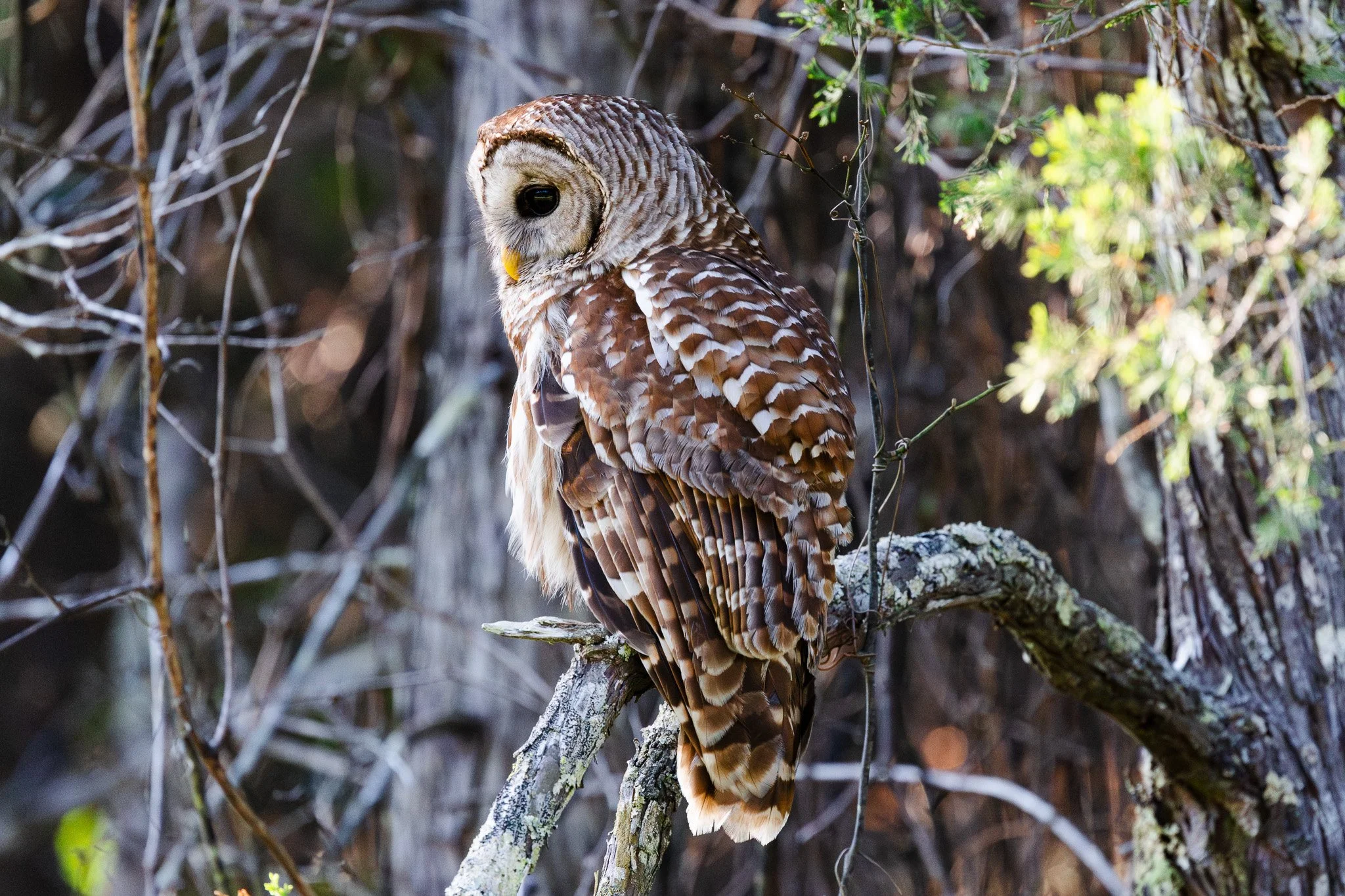
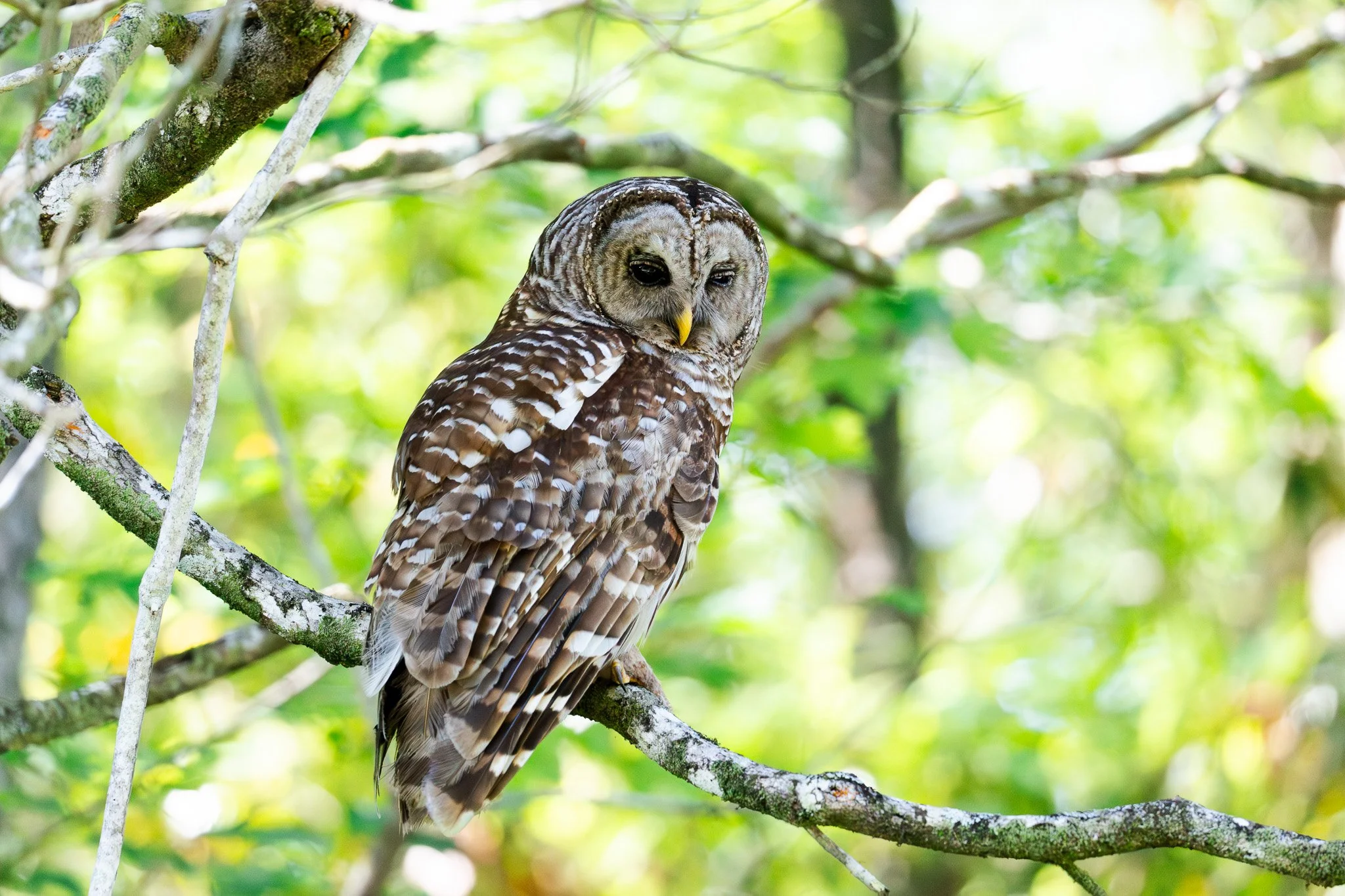
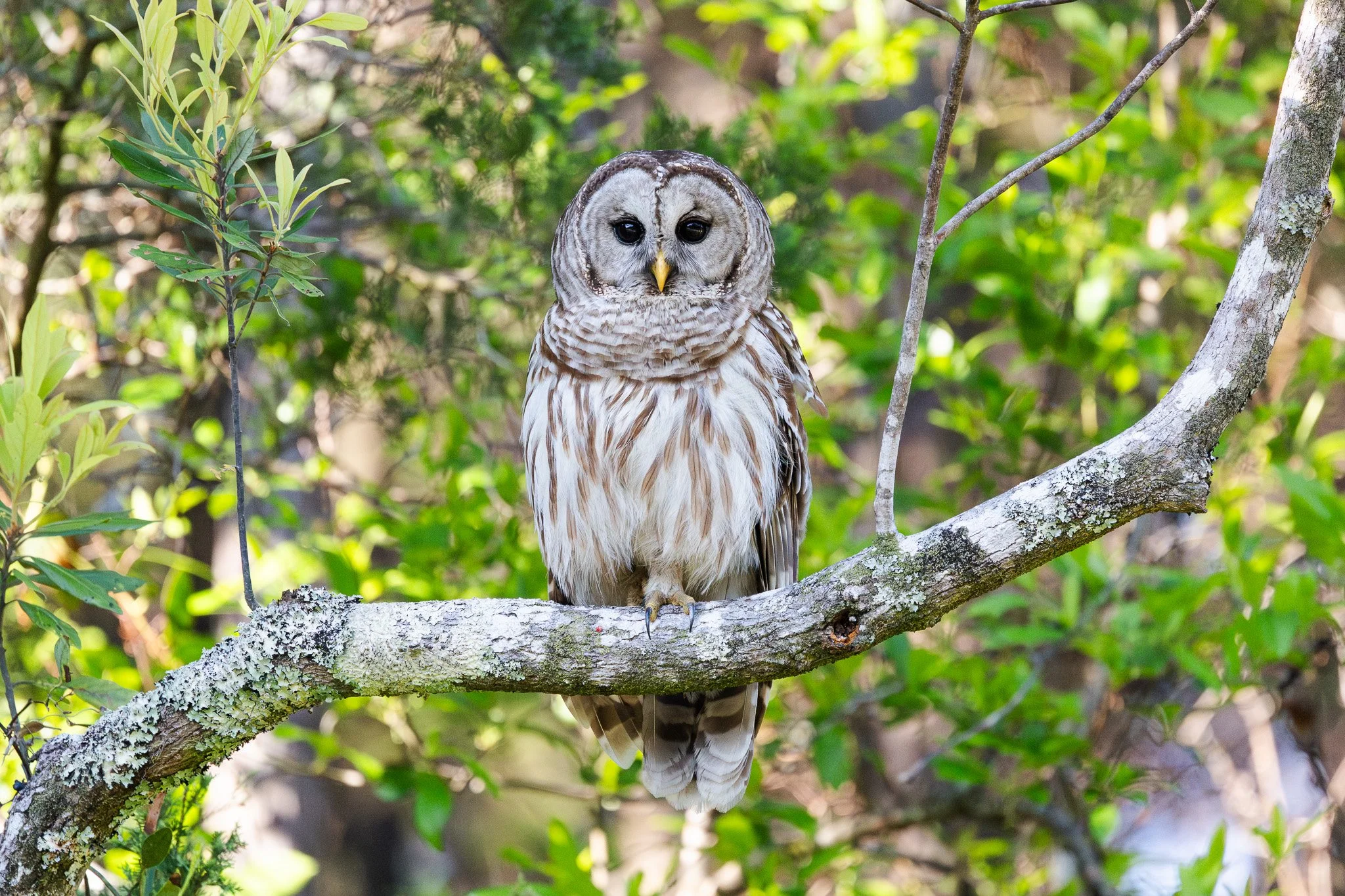
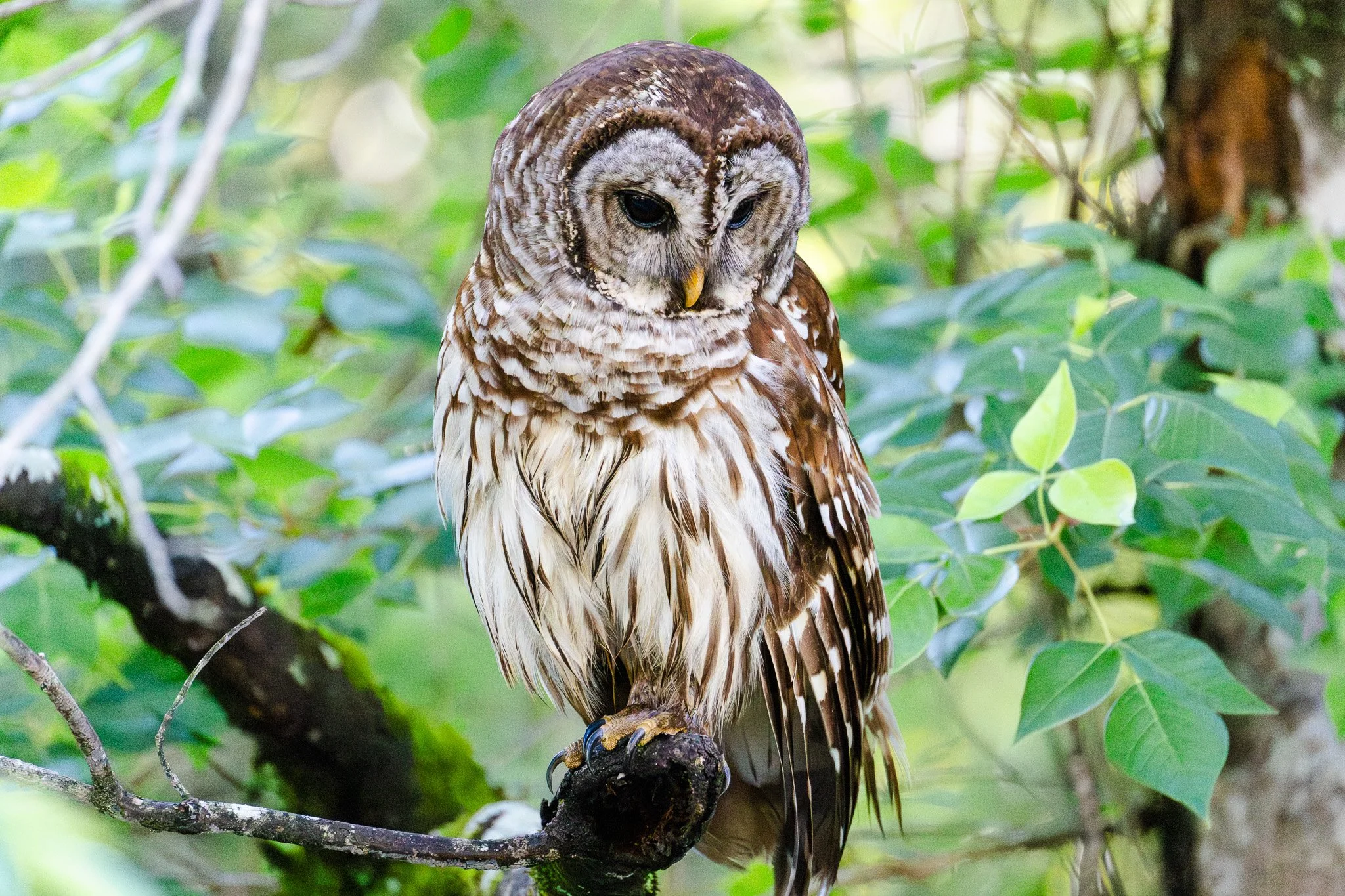
One of the most important lessons I’ve learned in wildlife photography is the value of spending time with the species you’re photographing. The more time you invest, the better you begin to understand their behavior. You learn where they’re likely to be, what they eat, and even what time of year offers the best chance of finding them.
Unfortunately, I didn’t see any fledglings during our trip, but the adults were every bit as exciting. I watched several diving after butterflies, something I had absolutely no idea they ate. They may look adorable, but don’t let that fool you. These birds are incredibly tenacious. Those butterflies didn’t stand a chance.
And butterflies are just one item on the menu. Crayfish, ground moles… you name it, they’ll eat it. I also learned their grip strength is about five times stronger than ours. Those little talons are no joke. Of all the species I photographed throughout the week, I’d argue the barred owls were one of my favorites.
I never managed to capture them in flight because, at the time, I simply wasn’t prepared enough as a photographer. But the beautiful weather allowed us to sit and observe them for long stretches, often completely by ourselves. There’s something special about experiencing nature that way. The wind moving through the trees, songbirds singing, and you’re not likely to hear a barred owl leave its perch. That’s something you must witness for yourself. Their flight is completely silent making every takeoff seem almost ghostlike.
Most of my time with the owls wasn't spent thinking about composition or curating images for a gallery. Instead, I found myself completely captivated by their behavior in broad daylight. I had always assumed barred owls were only active around sunrise and sunset, so seeing them hunting throughout the day, sometimes for hours, completely changed my perspective. We'd drive a loop through the refuge only to find the same owl still hunting in the very same spot hours later. Watching and learning became just as rewarding as taking photographs.
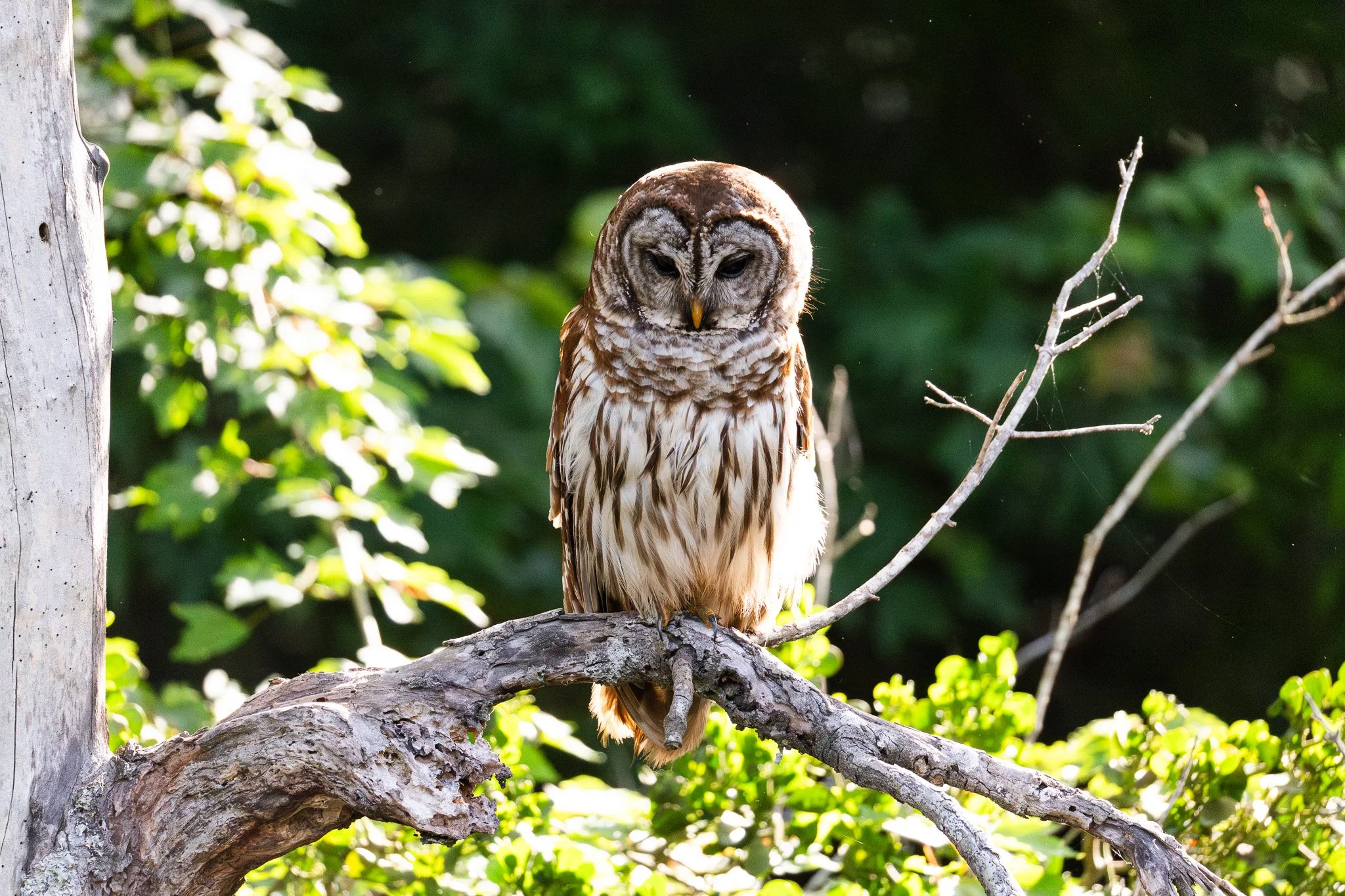
A barred owl stalks its’ morning breakfast.
One of the biggest moments of the trip came during one of our final days at the refuge.
Most people would probably stay inside during a downpour. Order takeout, watch television, and wait for the weather to pass. But us? Never. I've always believed every type of weather offers a different opportunity to encounter and photograph something unique.
So, despite the steady rain, we headed back into the refuge.
When we arrived, we noticed several vehicles pulled off along one of the canals. Photographers in rain gear stood quietly beside their tripods. By that point we had become pretty familiar with what species tended to draw a crowd, and we guessed it was probably an owl.
We were right.
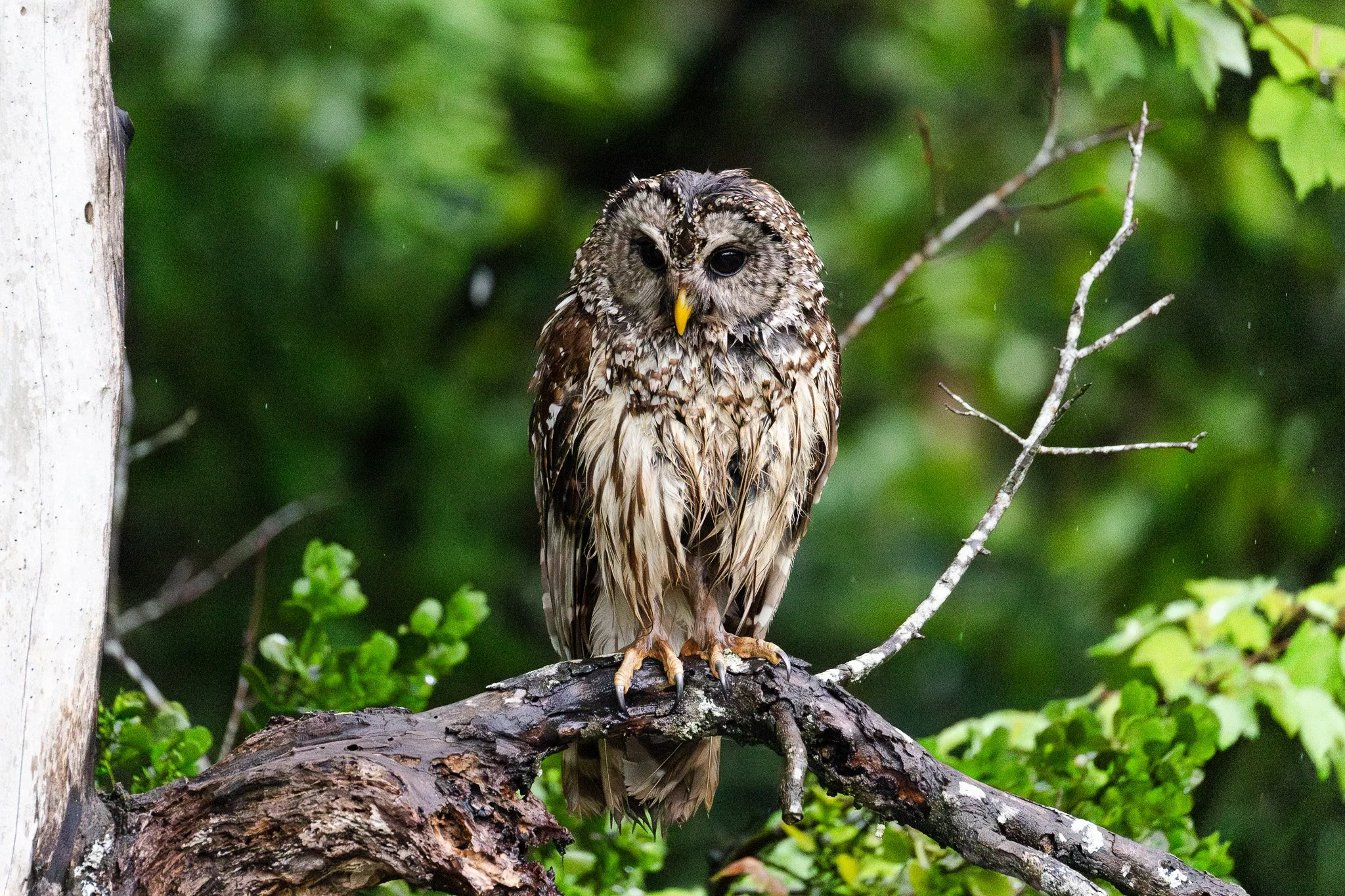
Rain falls around a perched barred owl.
After quietly asking what everyone was watching, I grabbed my camera and found the owl perched nearby. It was hunting a snake, repeatedly striking but missing. My photographs weren't anything special, but I managed to capture some video of the behavior, and that alone made the stop worthwhile.
Then the owl began to hoot.
Moments later, another barred owl answered from farther down the tree line.
A mate.
I'd hoped all week that we'd see a mated pair together, but I never expected to witness the moment they reunited.
About a minute later, the second owl flew down the tree line and landed beside the first. The pair greeted one another, then began preening each other as the rain continued to fall around them. Our small group of photographers stood silently, watching the moment unfold.
I remember standing there thinking, How could this trip possibly get any better?
Honestly, barred owls are such a treat at the Alligator River National Wildlife Refuge. That’s why I consider them the unsung heroes… because if you asked most people, this wouldn’t be the first on their list to search for. Such a shame. There is so much to learn from observing them! Before I began my journey in photography I had no idea a refuge existed, let alone hosted such incredibly diverse ecosystems of wildlife.
My Overall Conclusion
I couldn’t have been more excited to come home with such incredible memories and work I was so proud of. I owe this refuge so much love for granting me the opportunity of observation, learning, and yet another reason to pick up the camera.
Hope to see you again soon, ARNWR!
